Contact Us
WV License: HI4563231-0621
VA License: 3380001852
Proudly Serving



The early 1770s were defined by grit and conflict. Settlers faced intense Shawnee resistance, culminating in the Battle of Point Pleasant (1774), where many Greenbrier men fought.
Key Milestone: In March 1778, Greenbrier County was officially carved out of Botetourt and Montgomery counties, Virginia.
Fort Donnally Attack (1778): A legendary siege where Dick Pointer, an enslaved man, helped save the settlers from a surprise attack.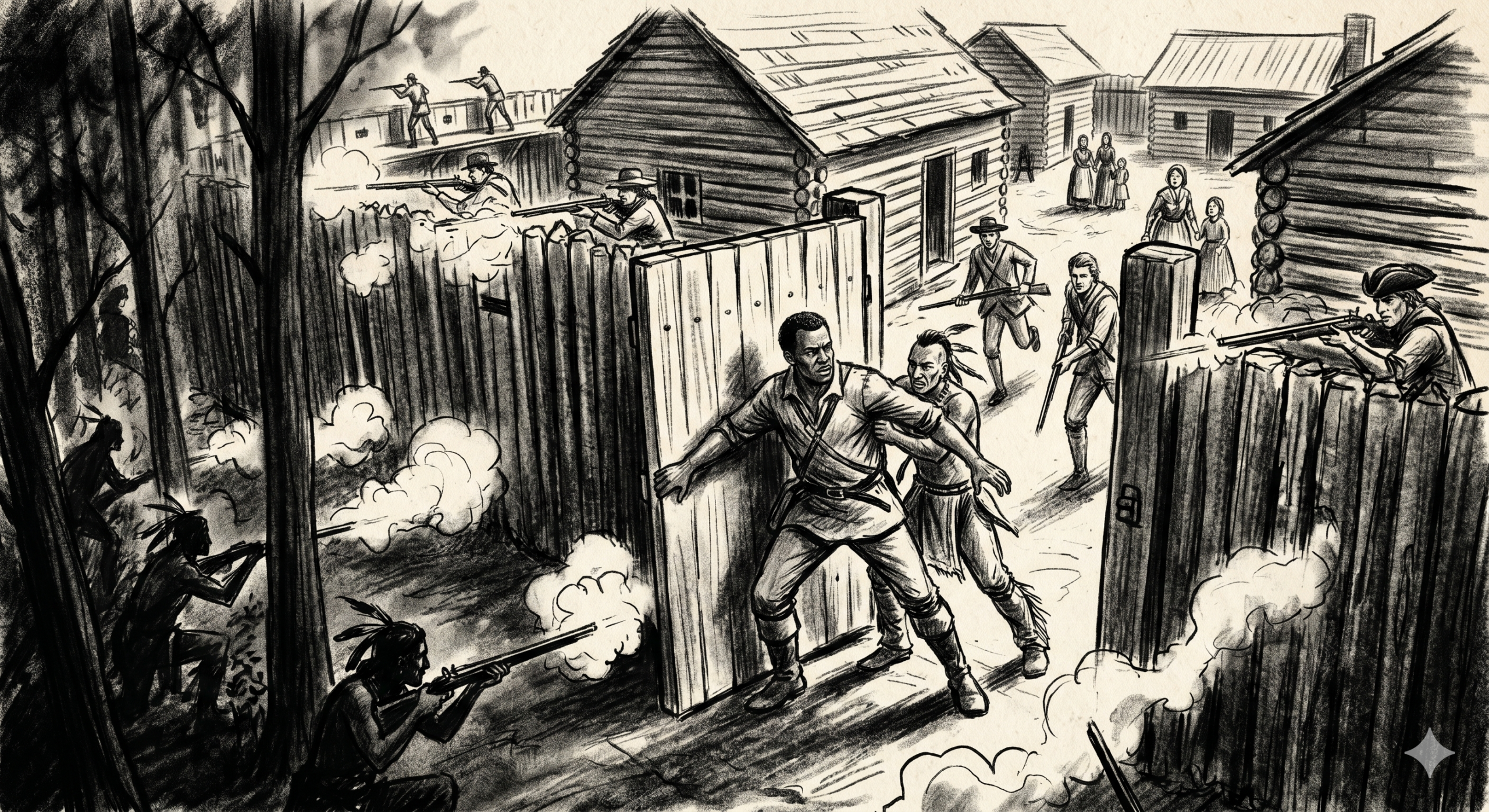
1780–1790: The Birth of Lewisburg
With the Revolutionary War ending, the focus shifted to permanent civil life.
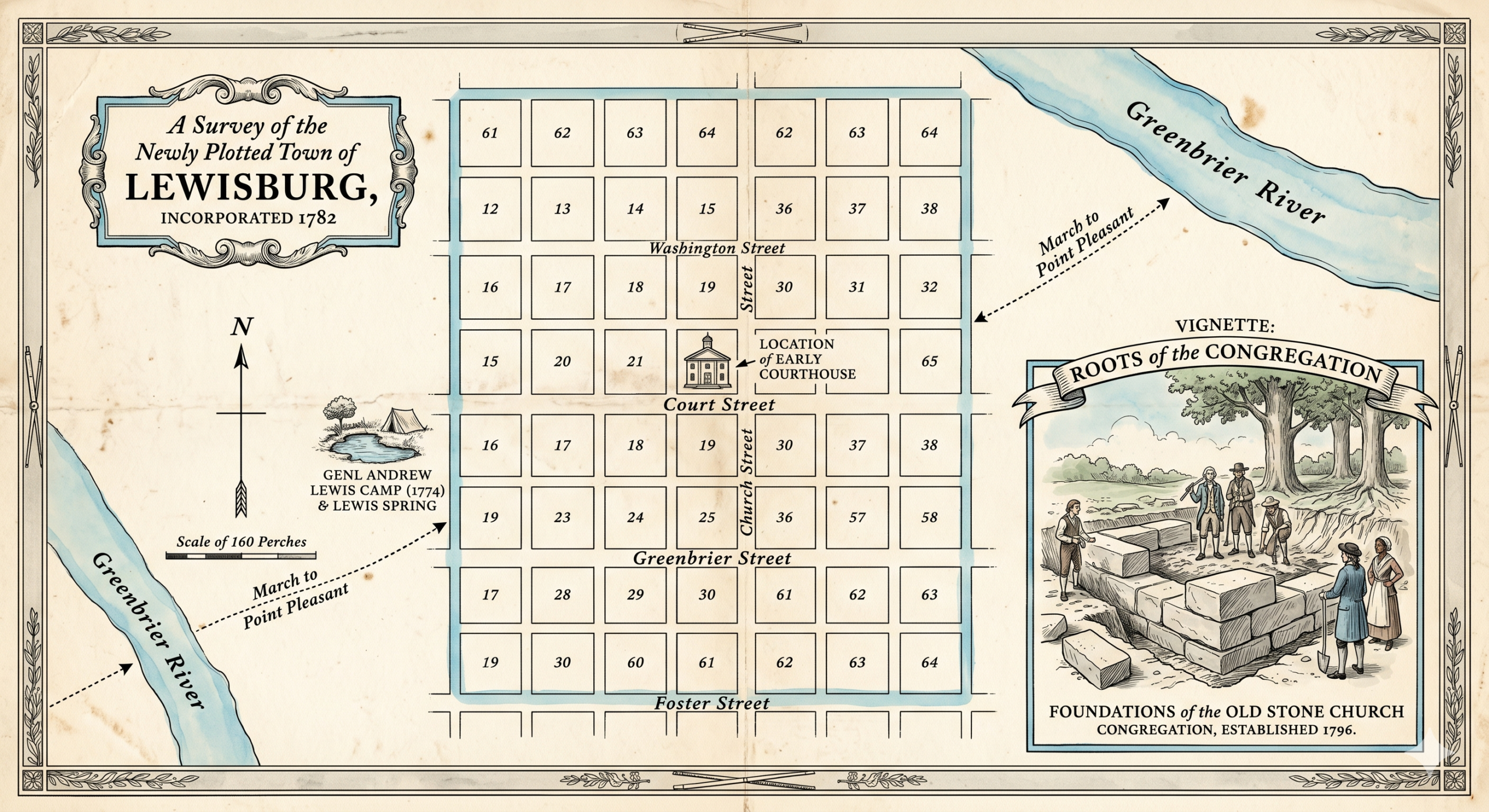
Lewisburg Incorporated (1782): The county seat was formally established and named for General Andrew Lewis.
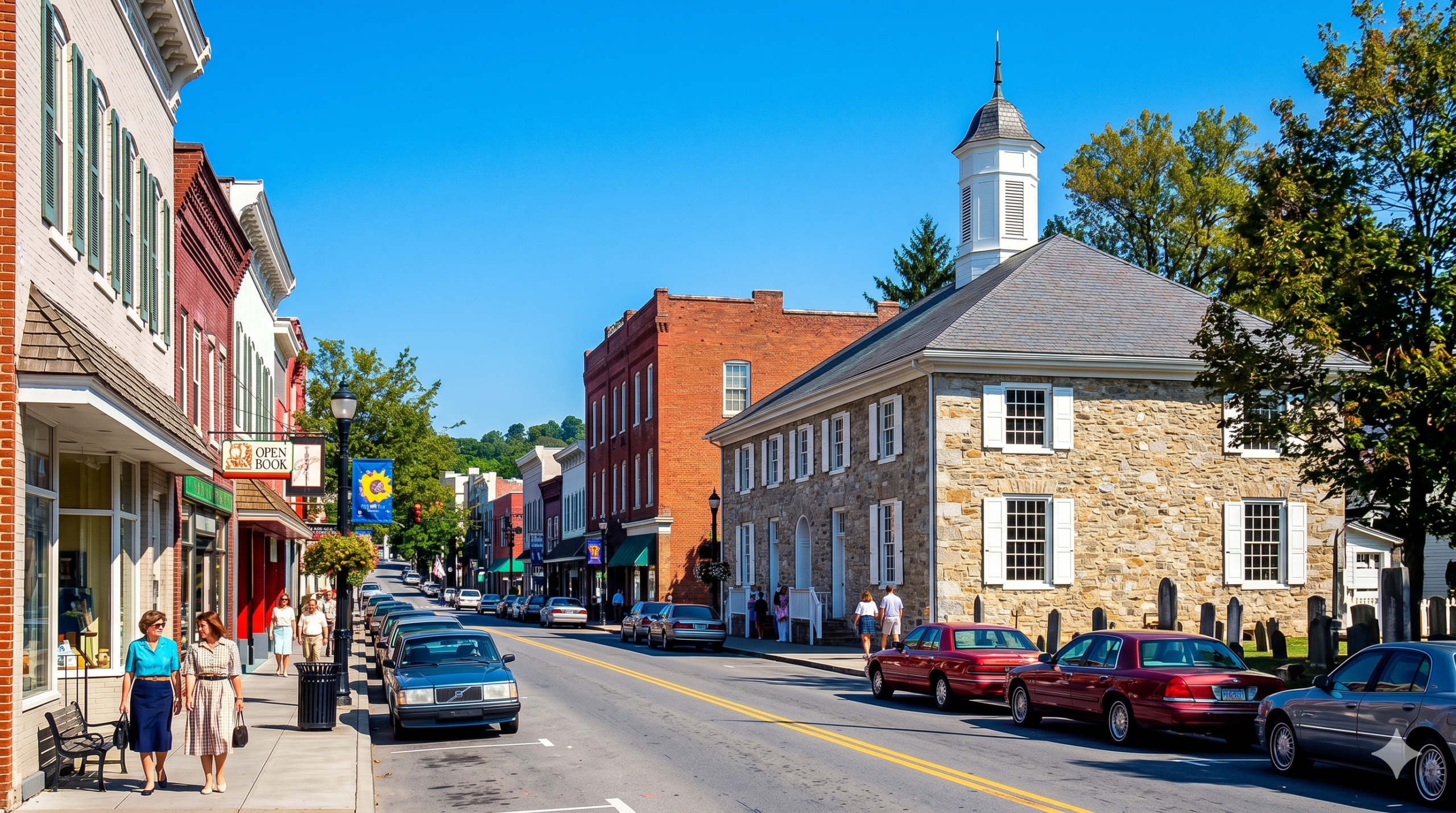
Old Stone Church (1796): While the current stone structure was finished later, the congregation’s roots took deep hold in this decade as the center of community life.
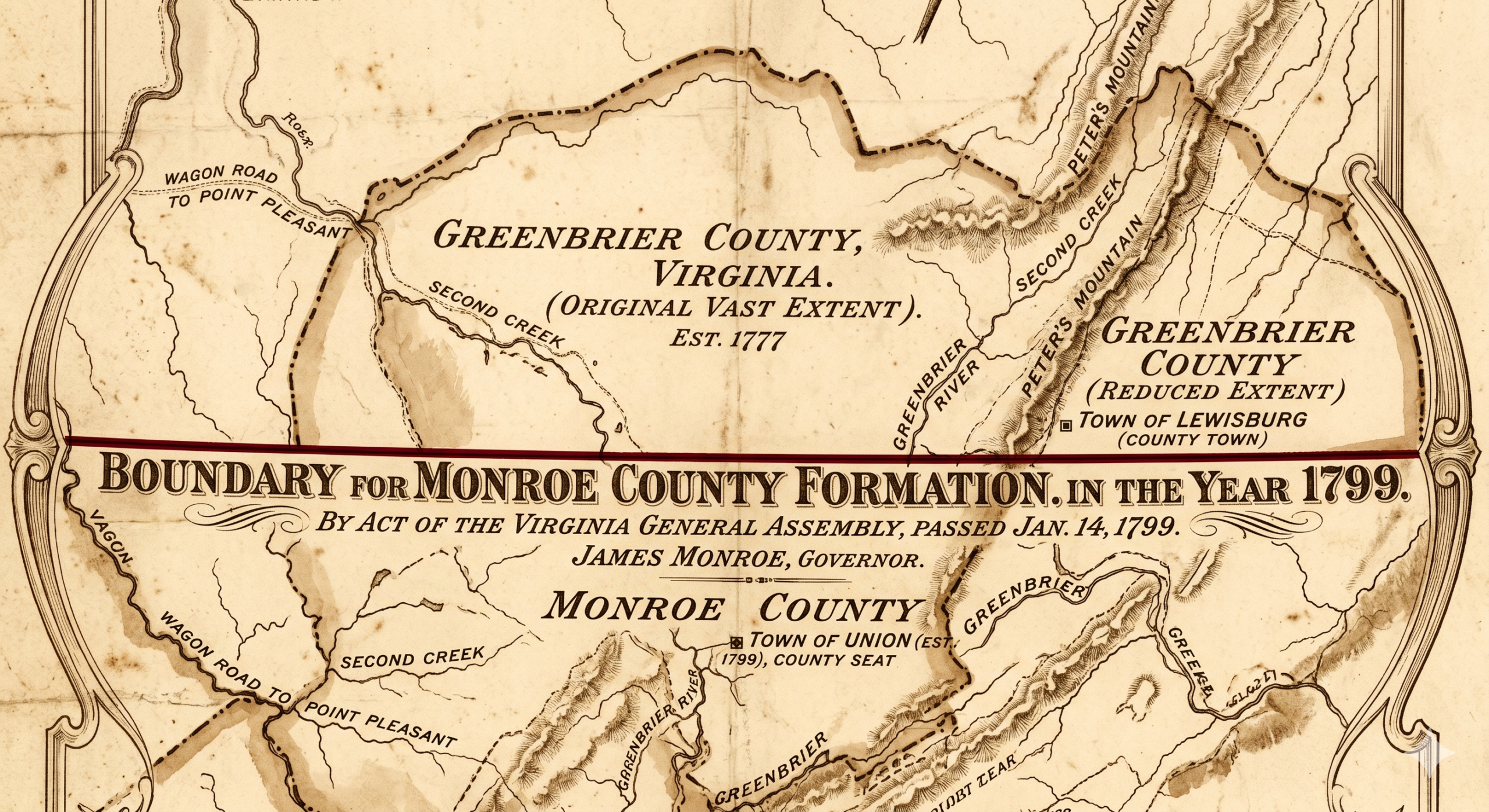
The county was initially massive. This decade saw the first major administrative shift.
Monroe County Formation (1799): Greenbrier County was split to form Monroe County, establishing the southern border we know today
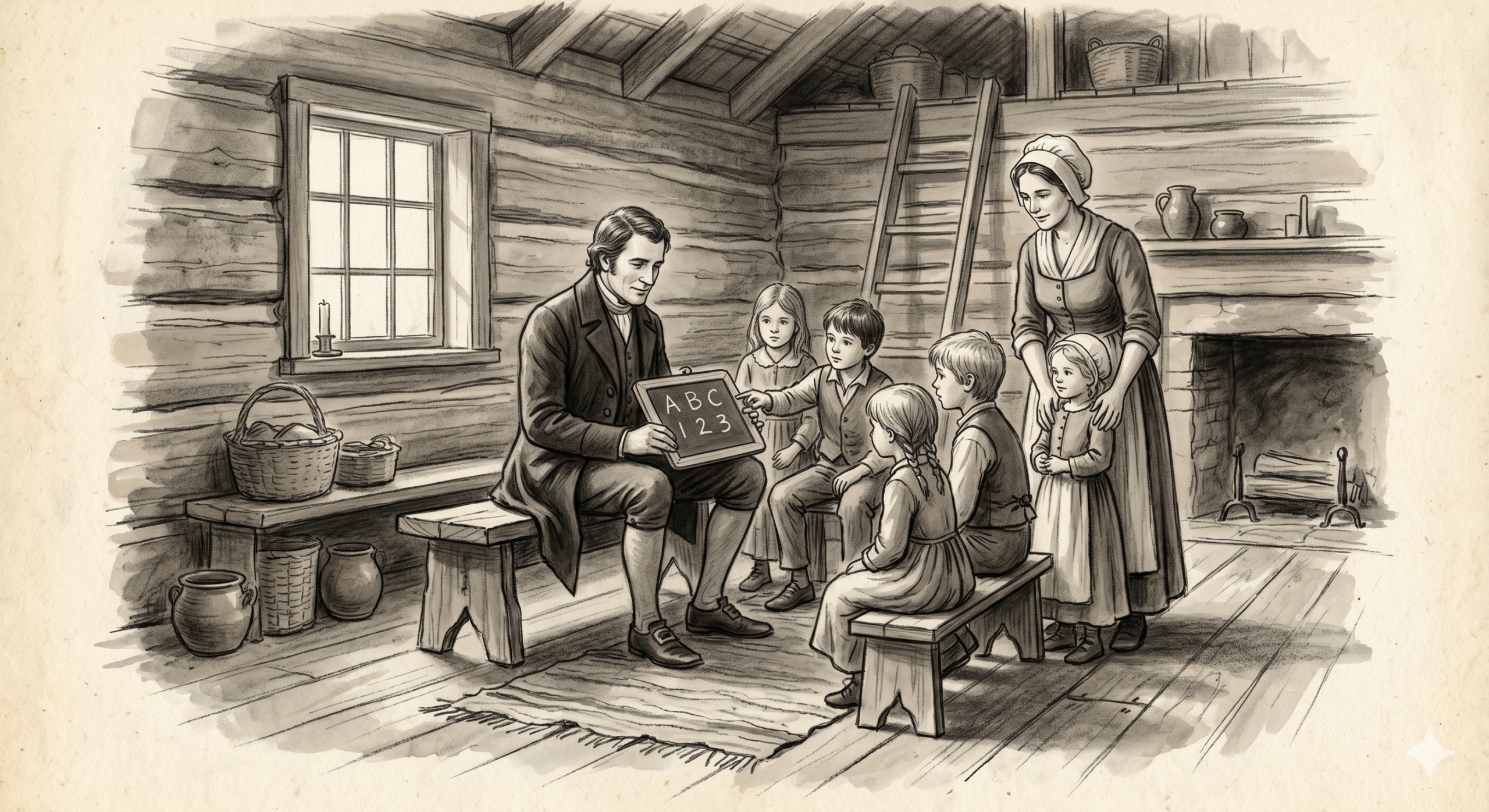
Lewisburg became a cultural hub. In 1808, Reverend John McElhenney and his wife Rebecca opened the first school in their home. This eventually evolved into the Lewisburg Academy, marking the beginning of the county’s reputation as a center for higher learning.
The James River and Kanawha Turnpike began to stretch through the county. This early “interstate” brought commerce, travelers, and the first wave of elite visitors seeking the “healing waters” of the local springs.
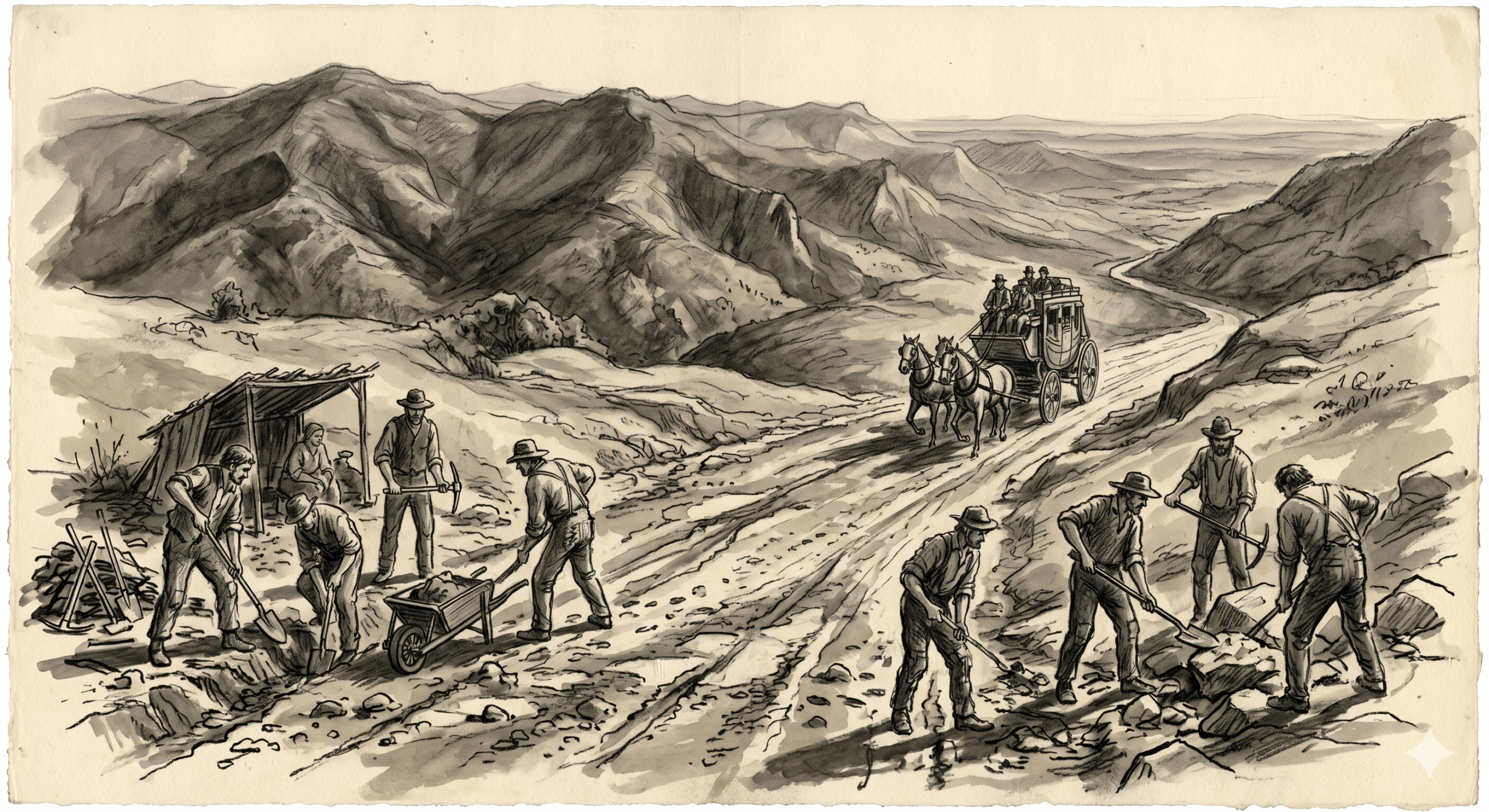
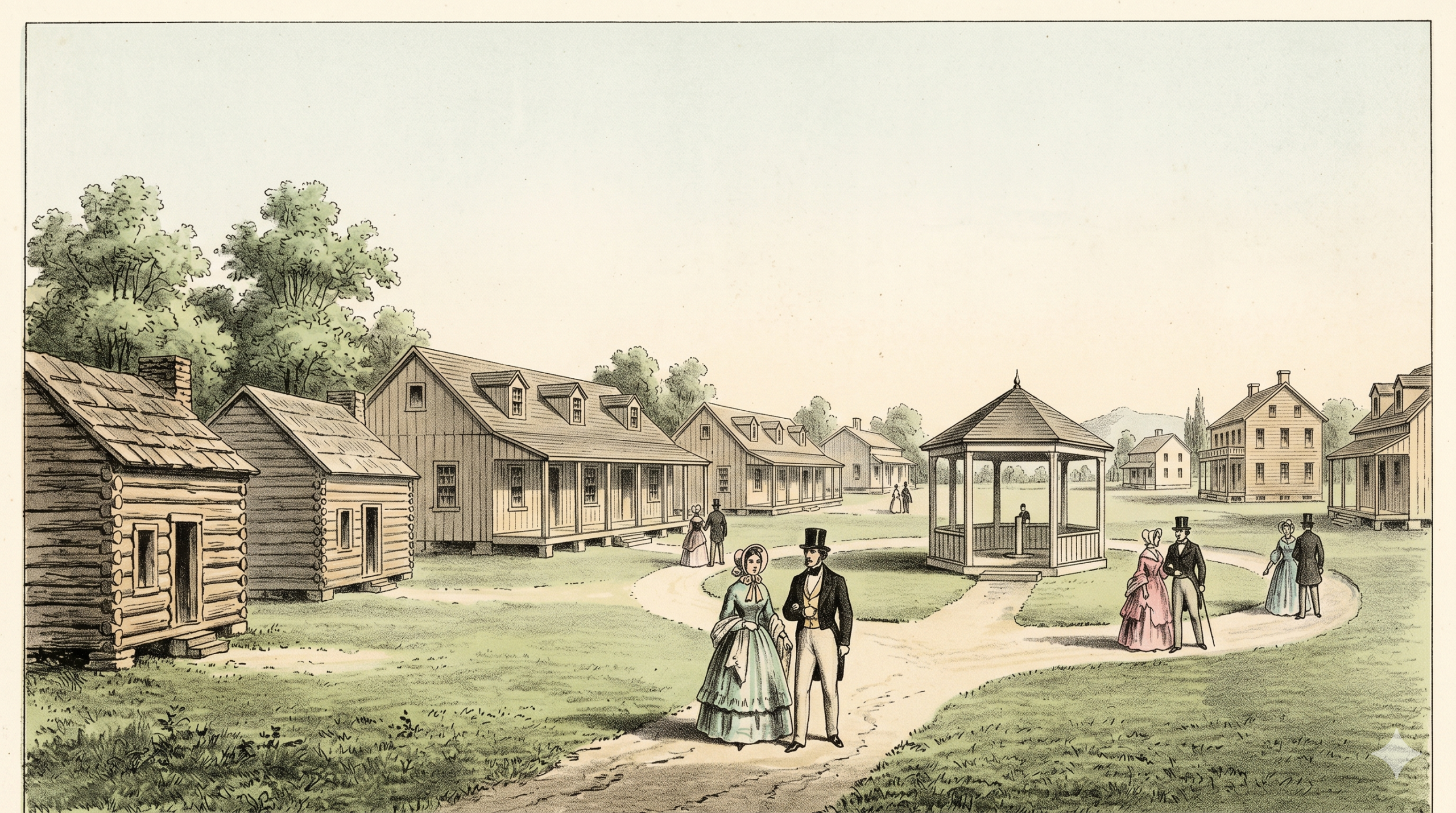
While the springs were known since the late 1700s, this decade saw the transition from rugged cabins to a sophisticated resort. The elite of Virginia began flocking to White Sulphur Springs to escape the summer heat of the coast.
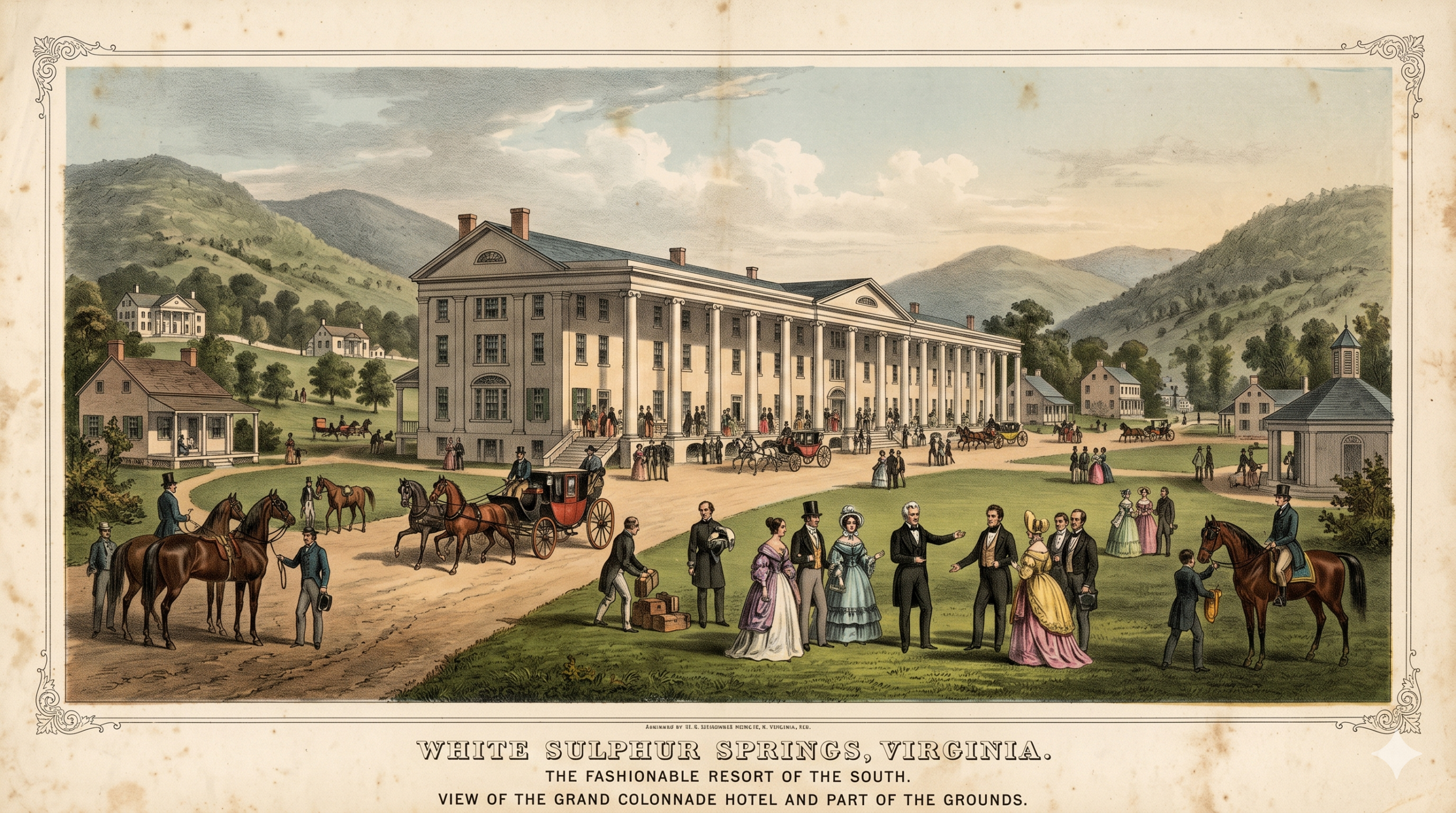
Grand hotels and “cottage rows” were built. This era solidified Greenbrier’s status as a playground for U.S. Presidents and Southern aristocracy, creating an early tourism economy that persists to this day.
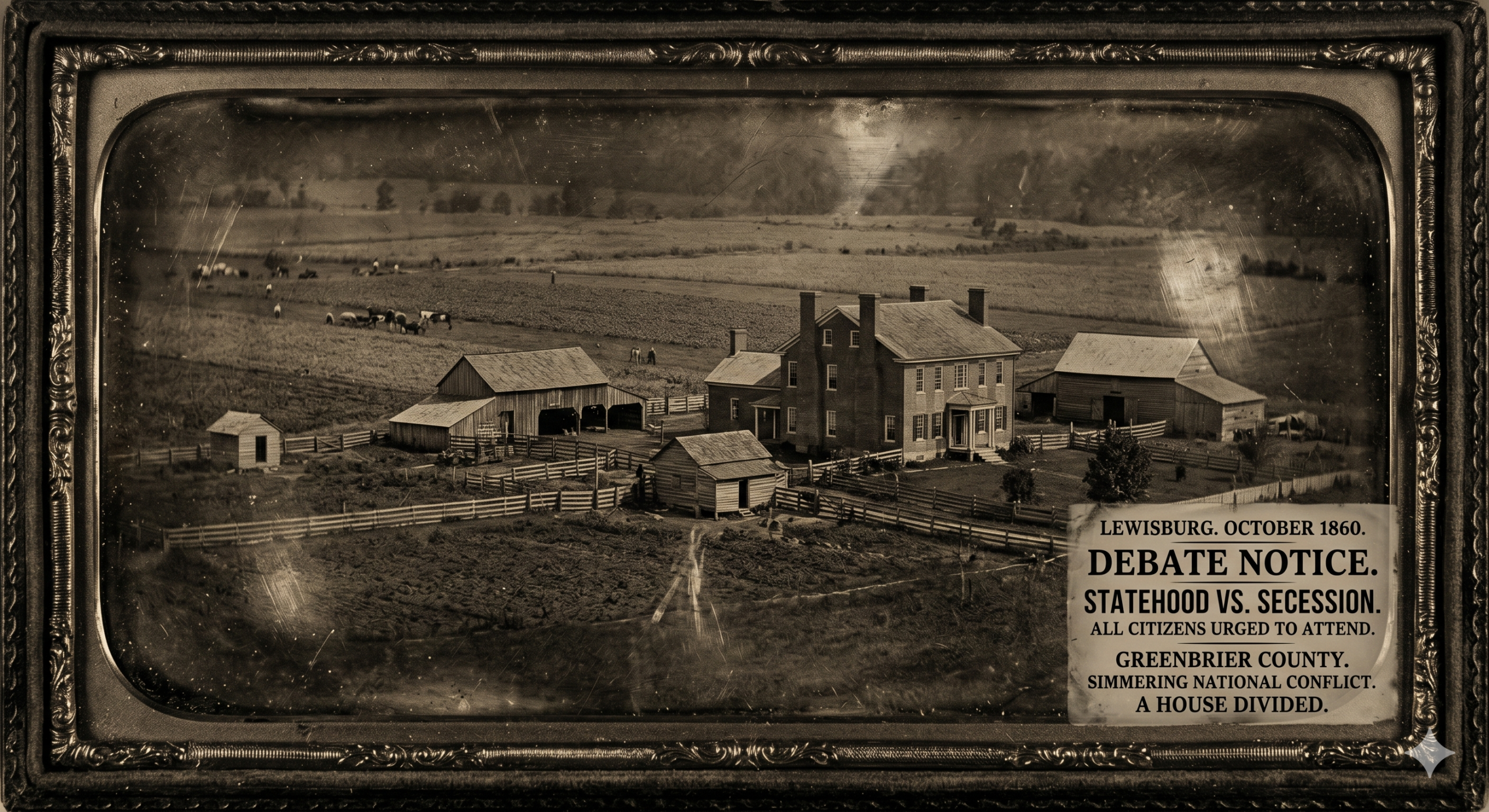
As national debates over slavery and statehood simmered, Greenbrier remained a prosperous agricultural and travel hub. The population grew as more farmers settled the fertile Limestone plateau.
In 1854, the Greenbrier Agricultural Society was formed. This led to the first annual fair, a precursor to today’s massive State Fair of West Virginia.
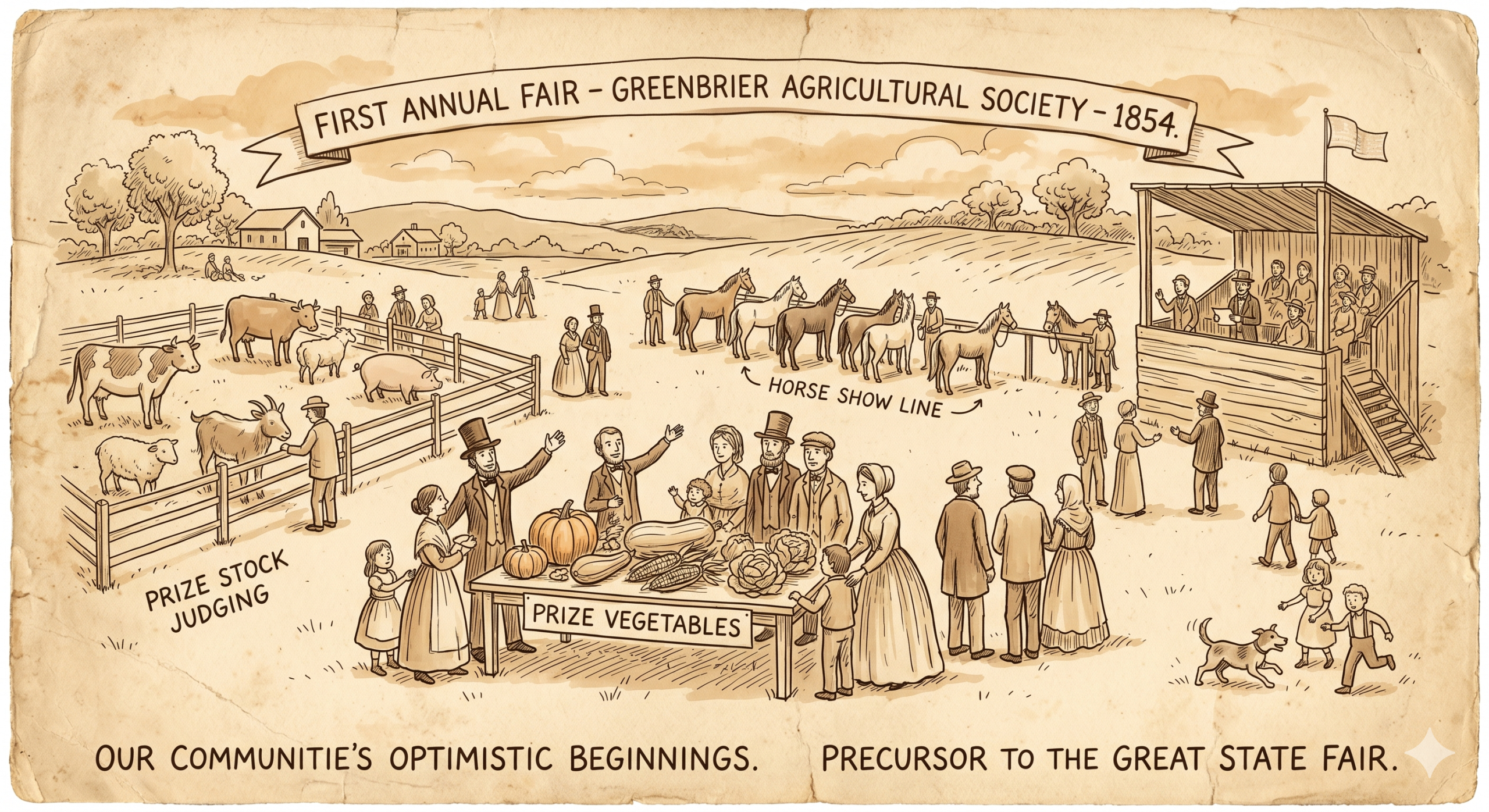
A decade of turmoil. Greenbrier was primarily Confederate-leaning, but found itself part of the new state of West Virginia in 1863.
Battle of Lewisburg (1862): A sharp urban conflict where Union forces successfully defended the town.
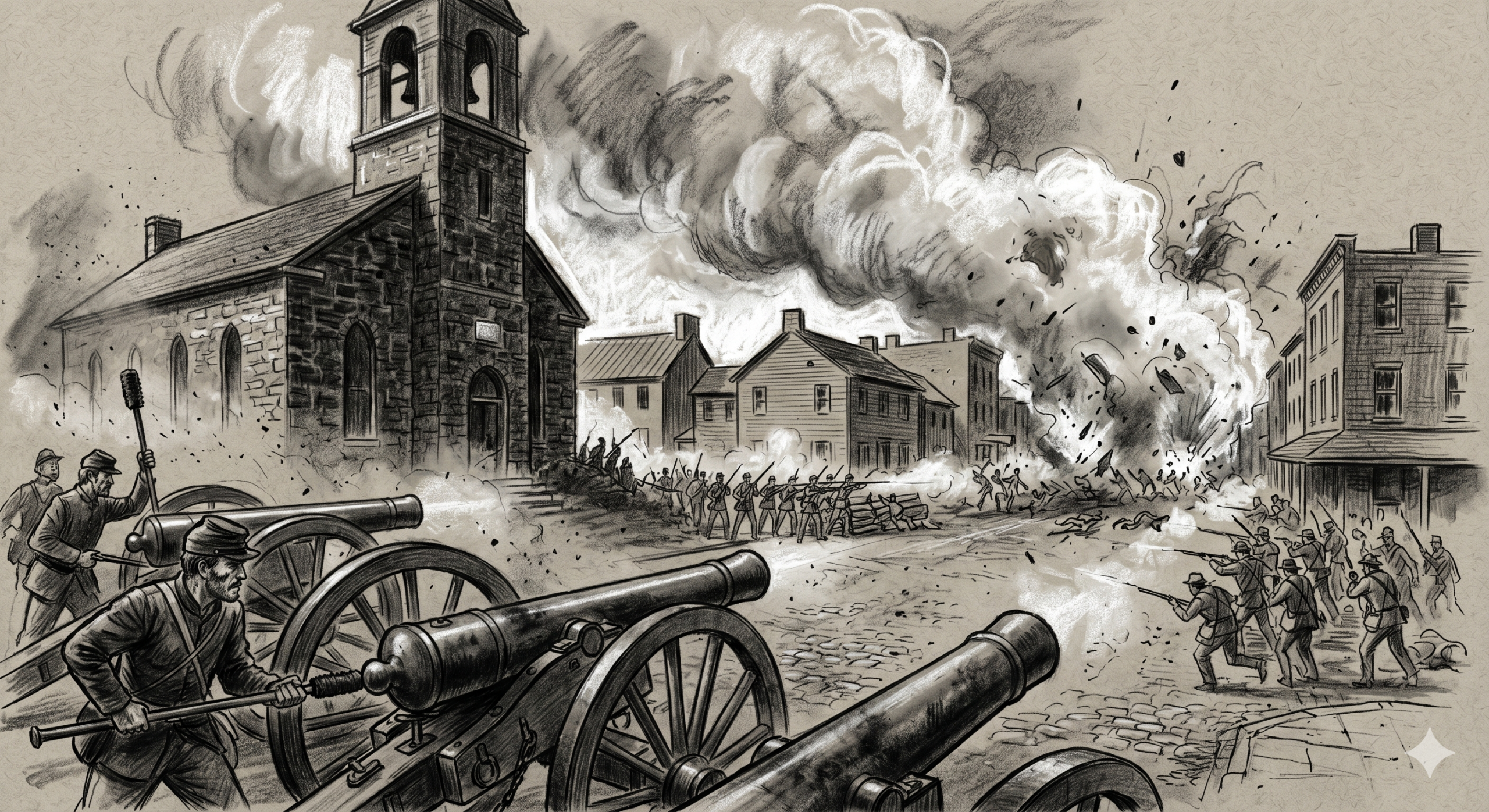
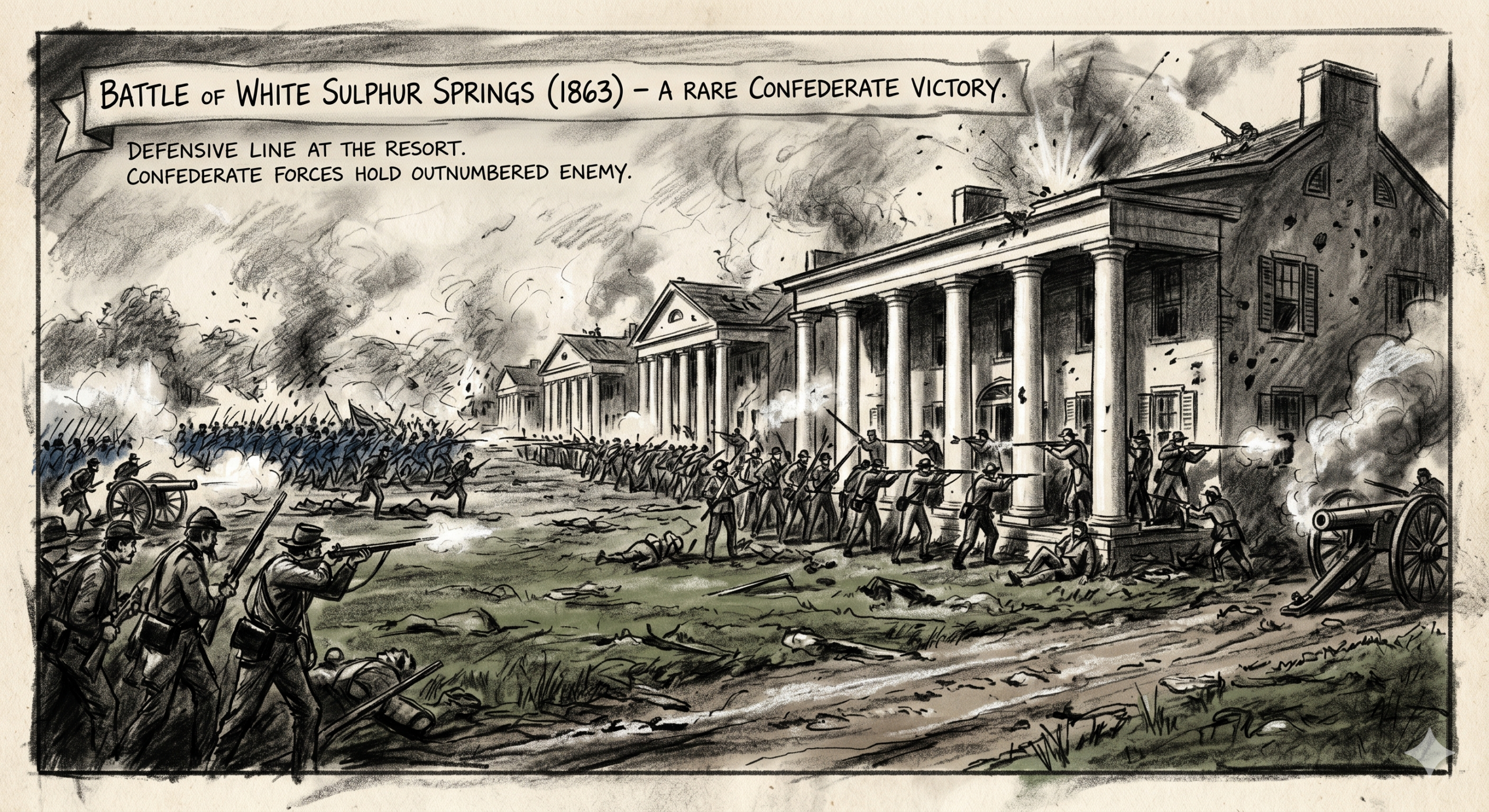
Battle of White Sulphur Springs (1863): A rare Confederate victory in the region.
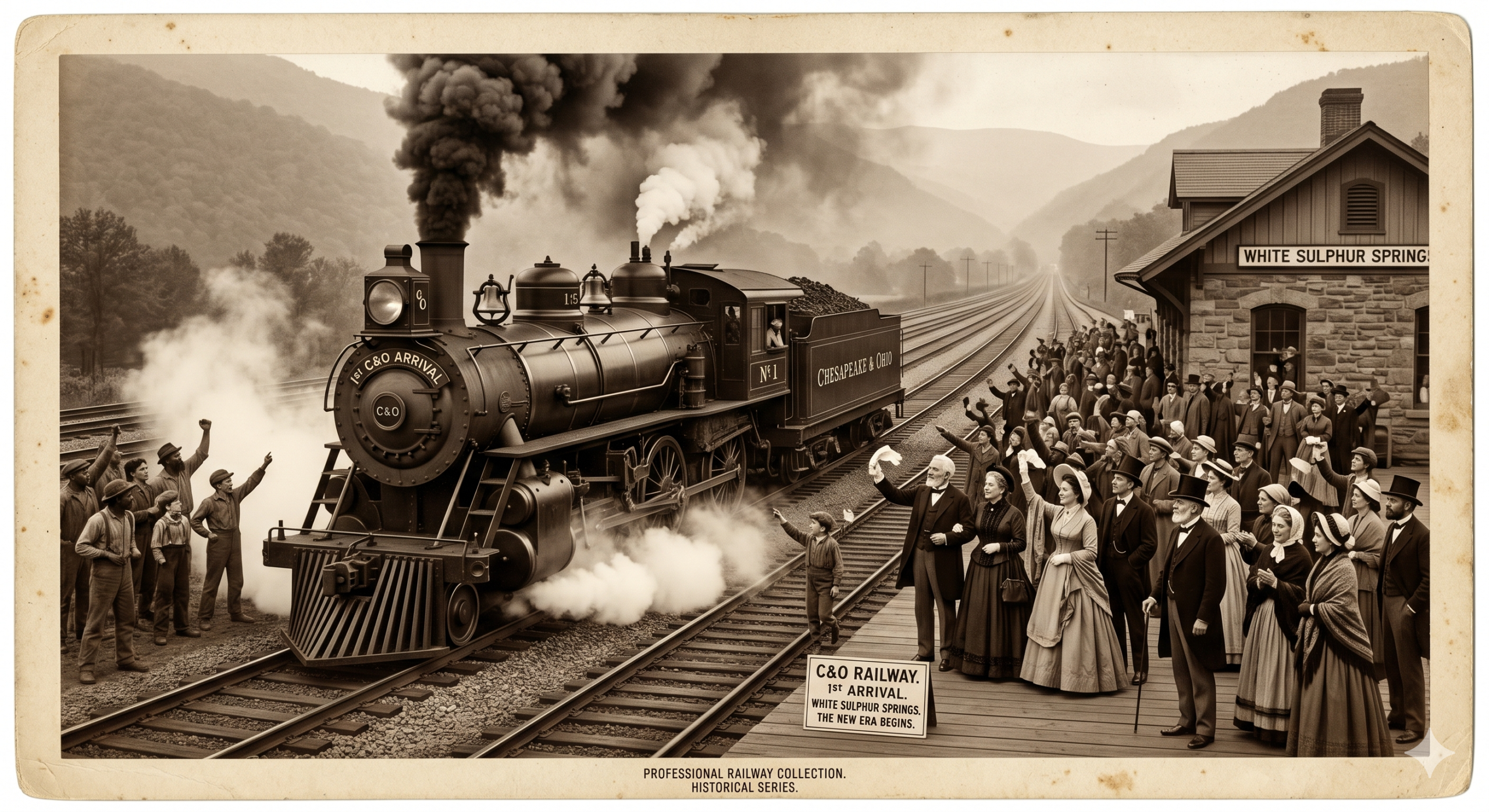
The Chesapeake & Ohio (C&O) Railway reached Greenbrier County. This changed everything—timber and coal could now be shipped at scale, and the resort at White Sulphur Springs became accessible to the entire world.
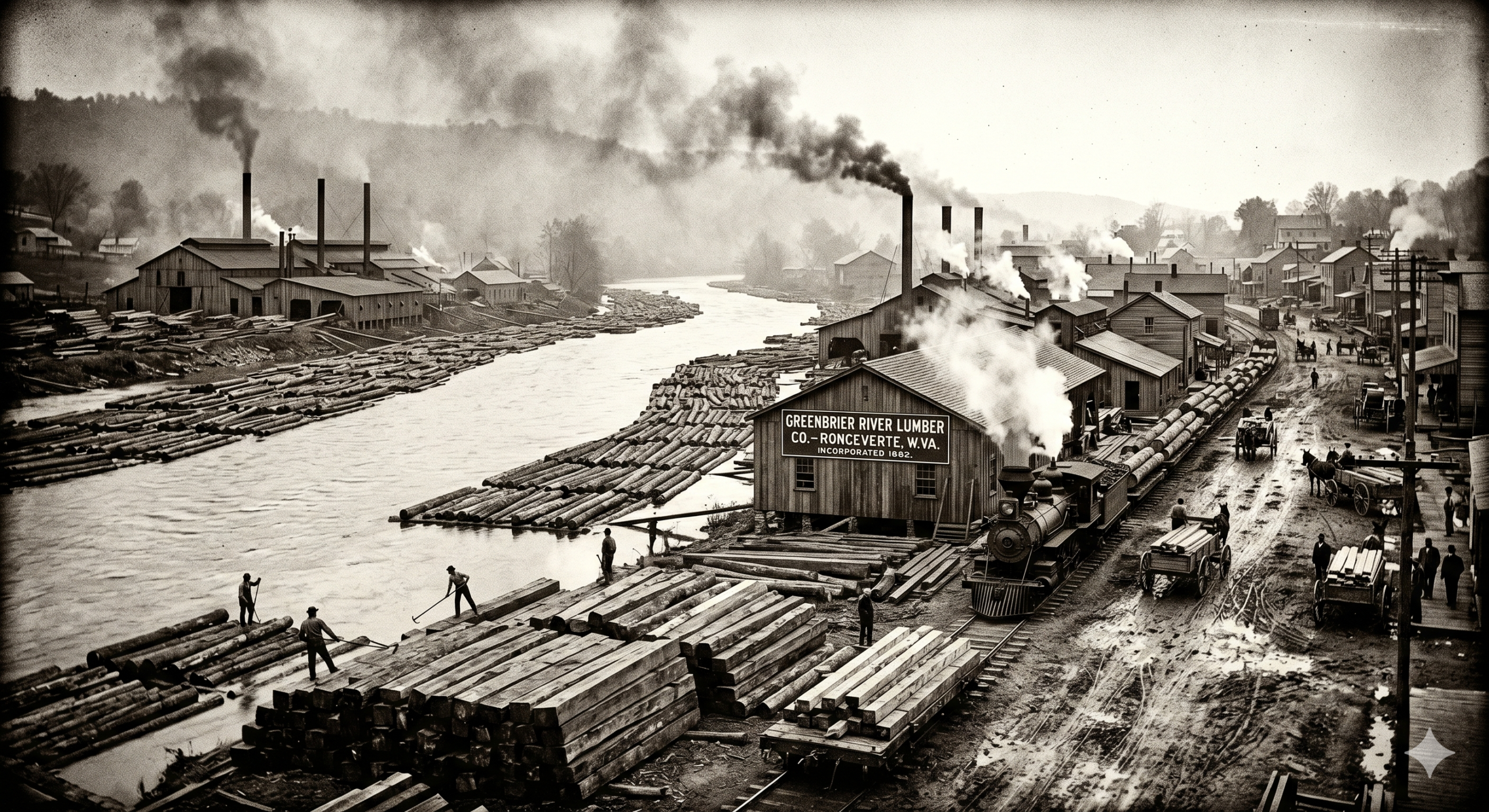
Towns like Ronceverte were incorporated (1882) as the timber industry exploded. The sound of saws and steam whistles replaced the quiet clip-clop of horses.
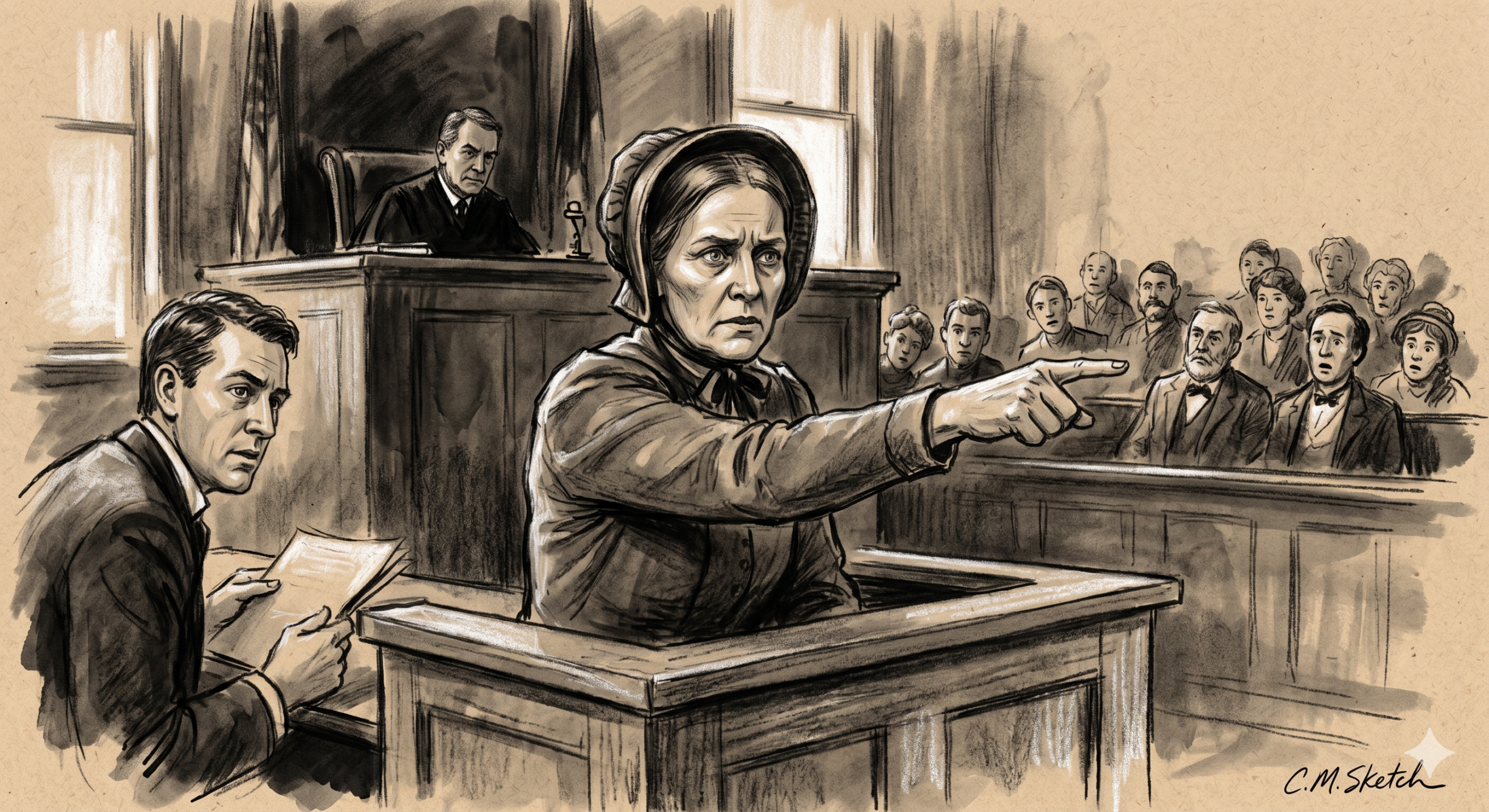
In 1897, the infamous trial of Edward Shue occurred. This remains the only known legal case where “testimony from a ghost” (the victim, Zona Heaster Shue) was used to secure a murder conviction.
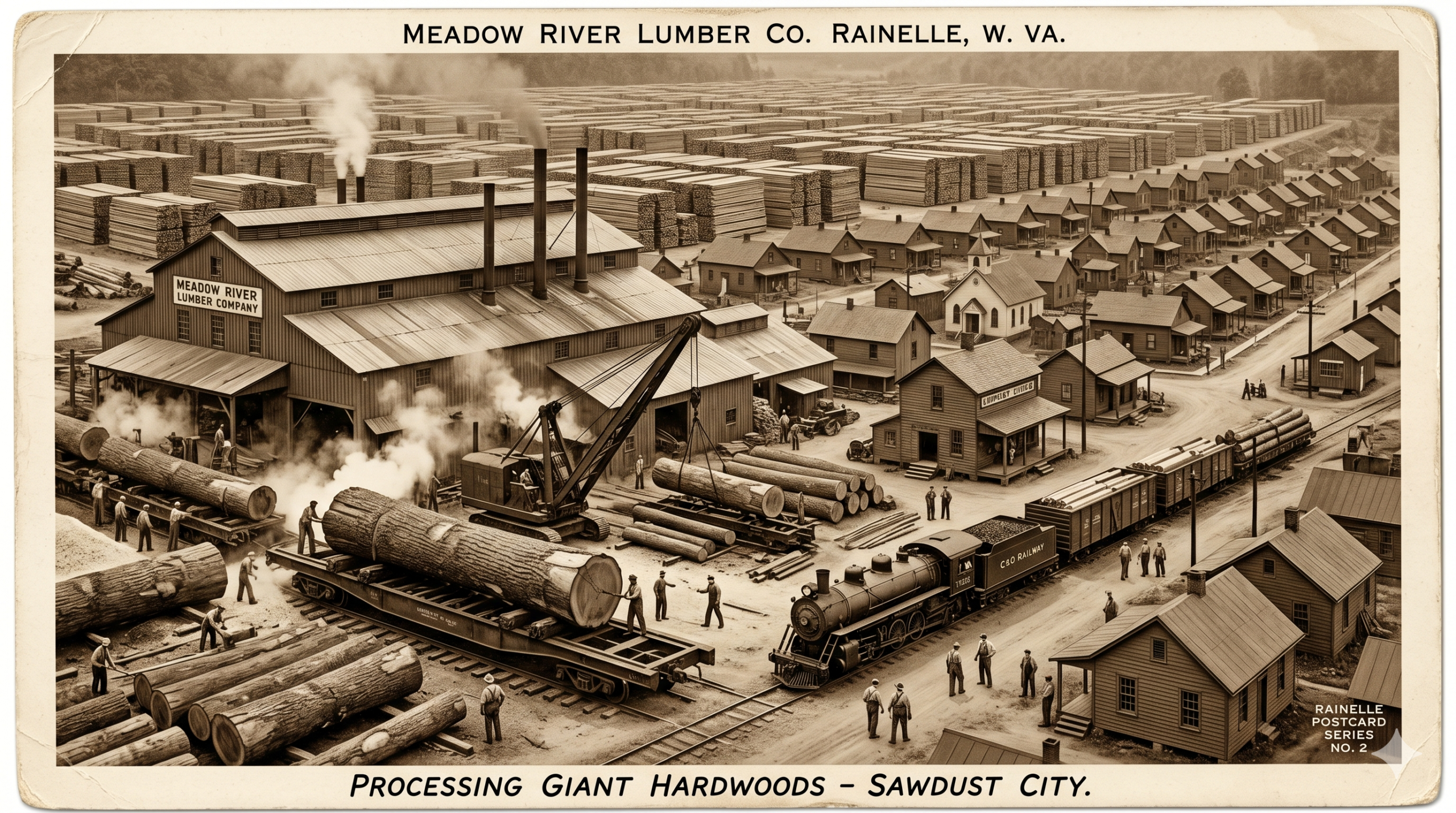
The Meadow River Lumber Company was founded in Rainelle (1906). It would eventually grow into the world’s largest hardwood sawmill, processing the massive ancient forests of the region.
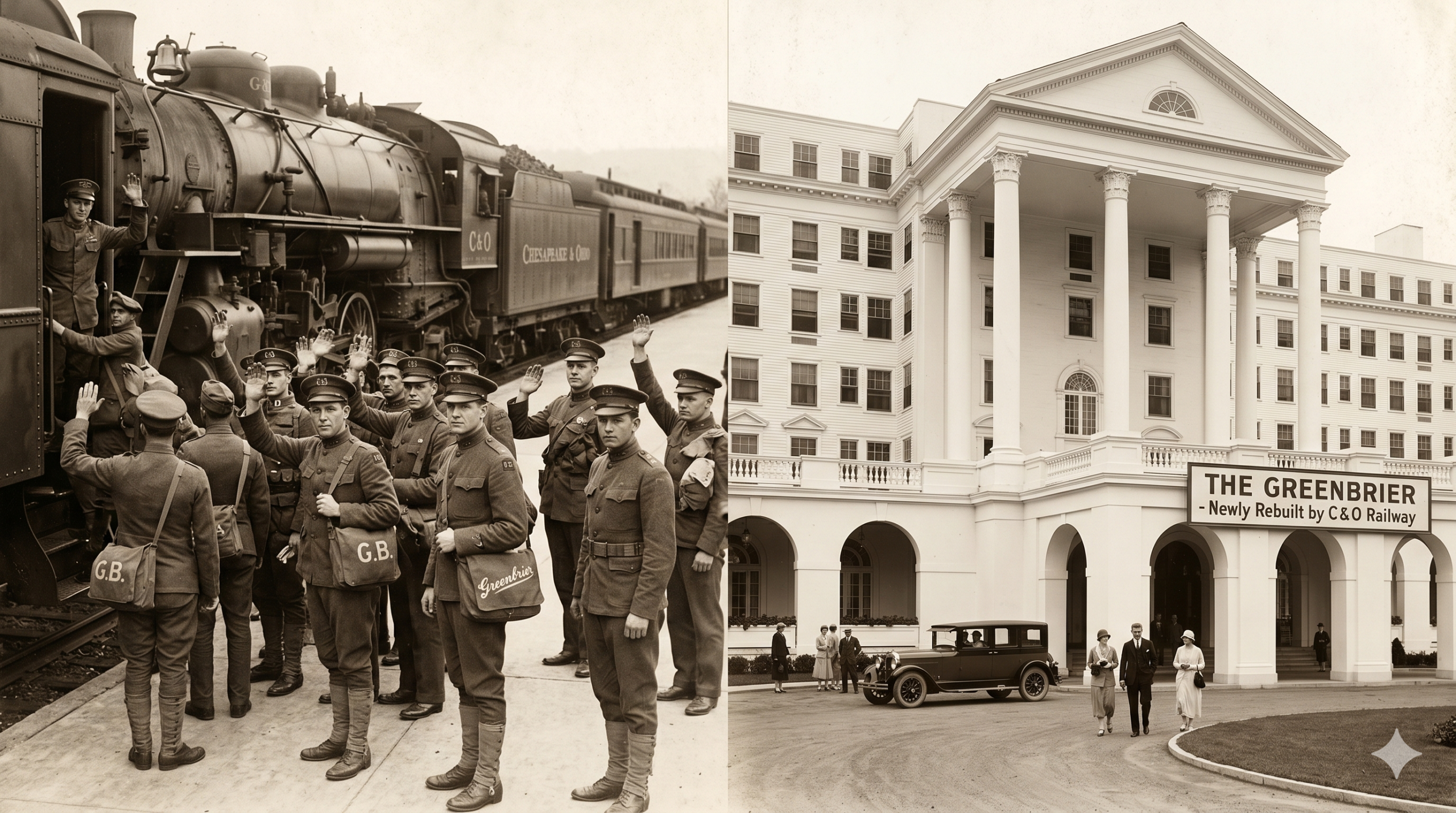
While the county sent men to WWI, The Greenbrier resort was purchased by the C&O Railway and rebuilt into the massive, white-pillared landmark we see today.
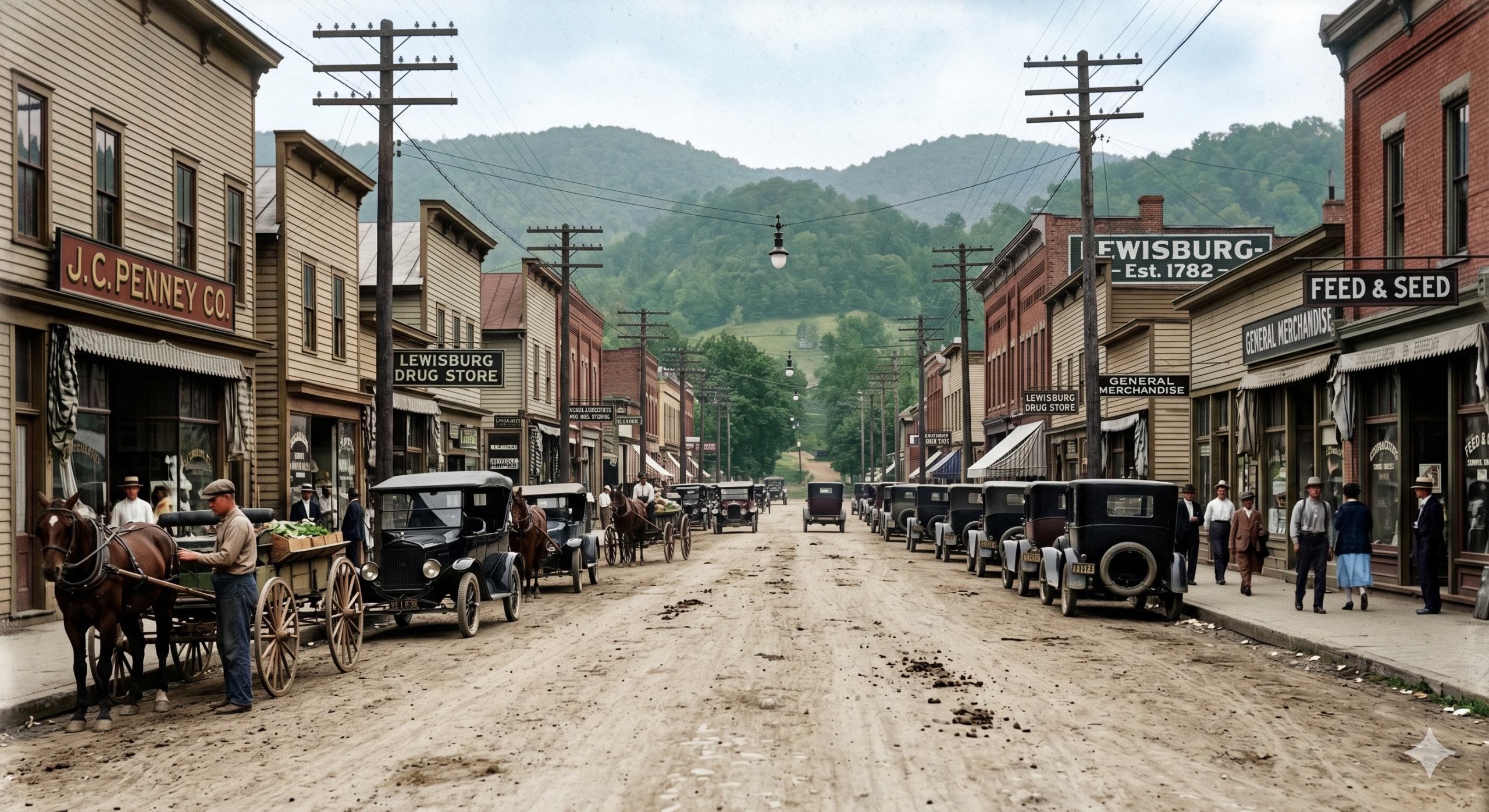
Modernity hit the mountains. Electricity, paved roads, and the first automobiles transformed daily life in Lewisburg and White Sulphur Springs.
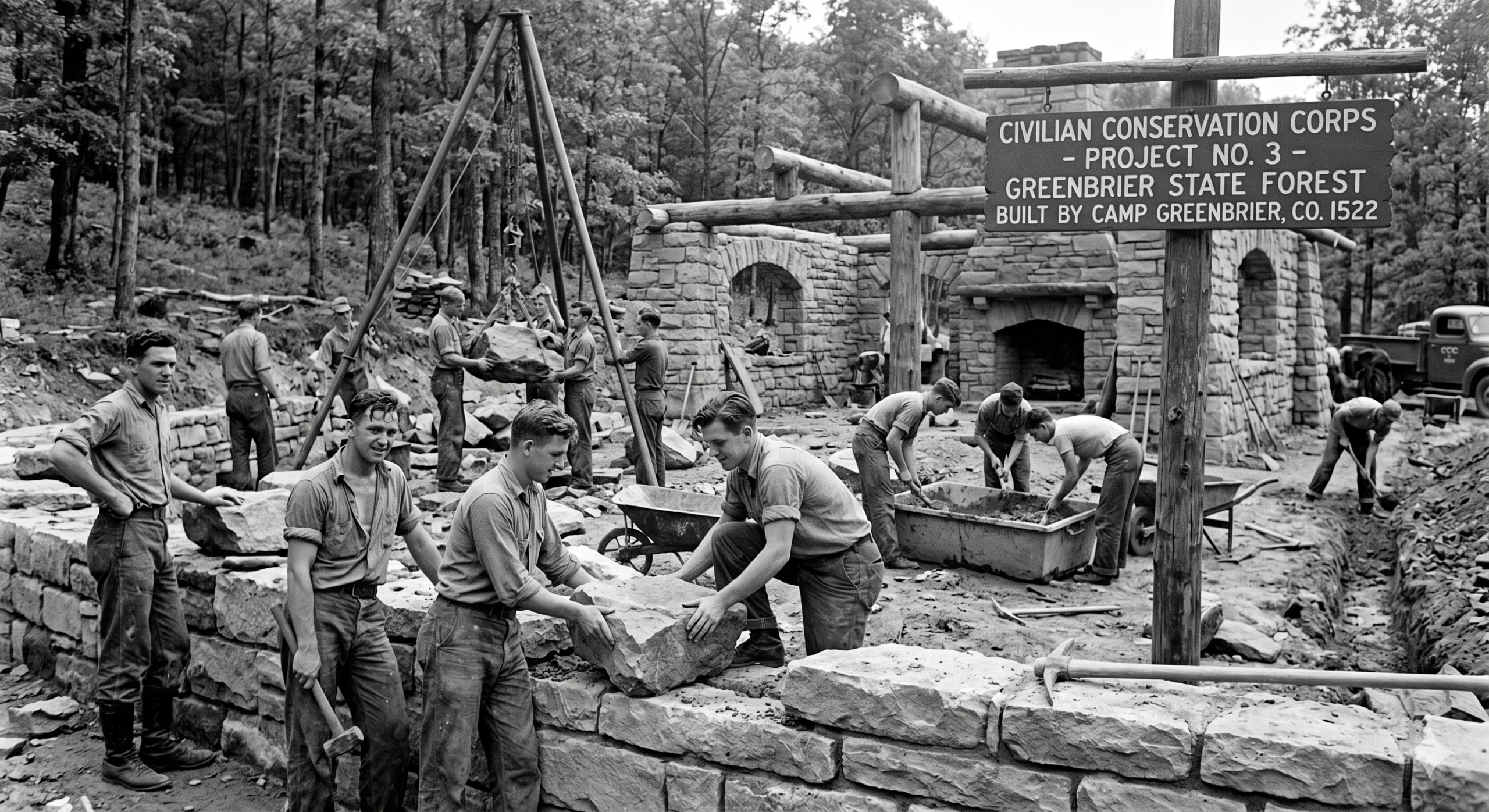
The Great Depression hit hard, but the Civilian Conservation Corps (CCC) built parks and forest infrastructure that still exist today, providing jobs for local men.
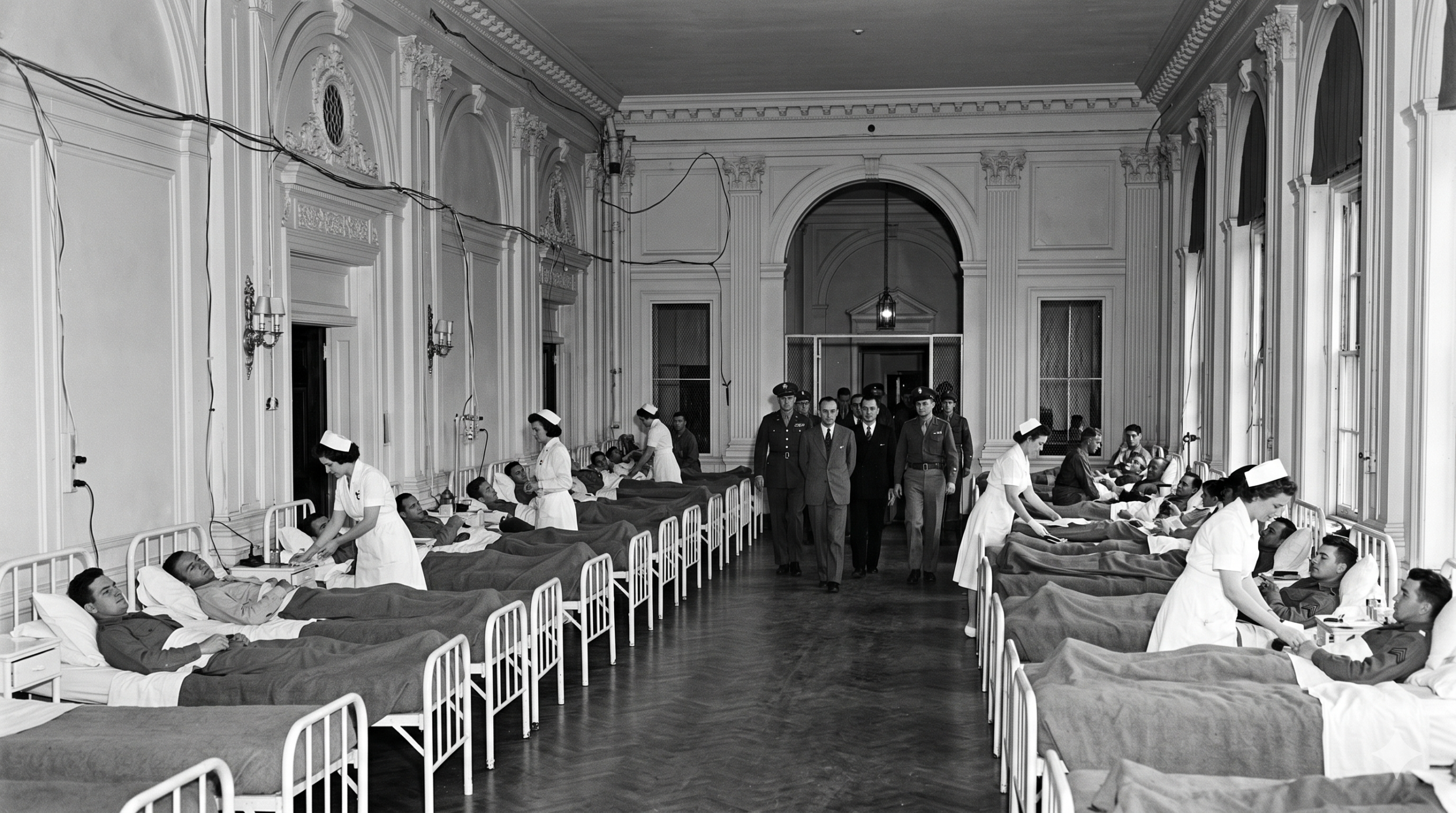
During WWII, The Greenbrier was converted into Ashford General Hospital, treating over 24,000 wounded soldiers. It also served as an internment center for Axis diplomats.
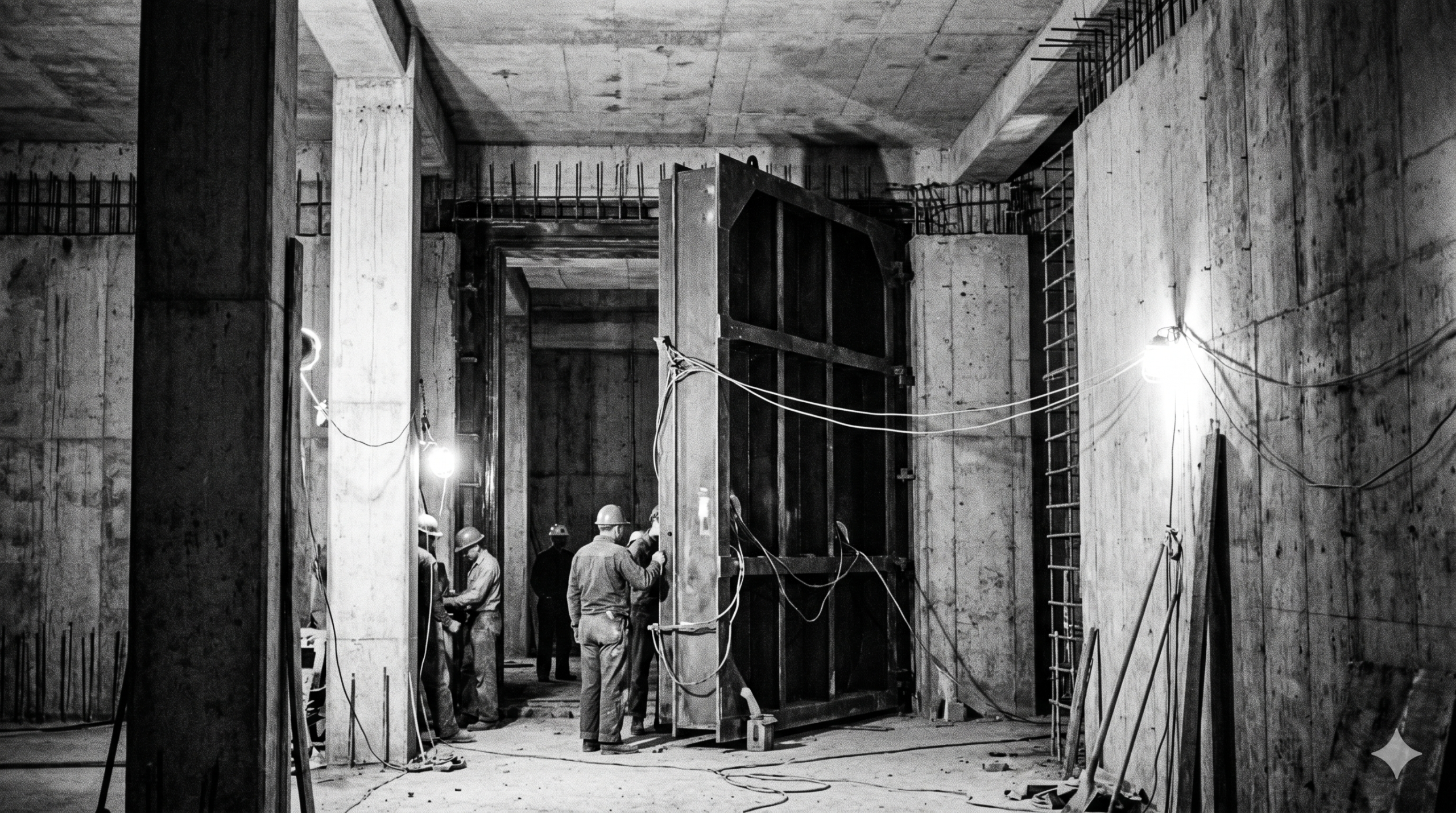
In 1958, construction began on a massive underground bunker at The Greenbrier. It was designed to house the entire U.S. Congress in the event of a nuclear war—a secret kept for over 30 years.
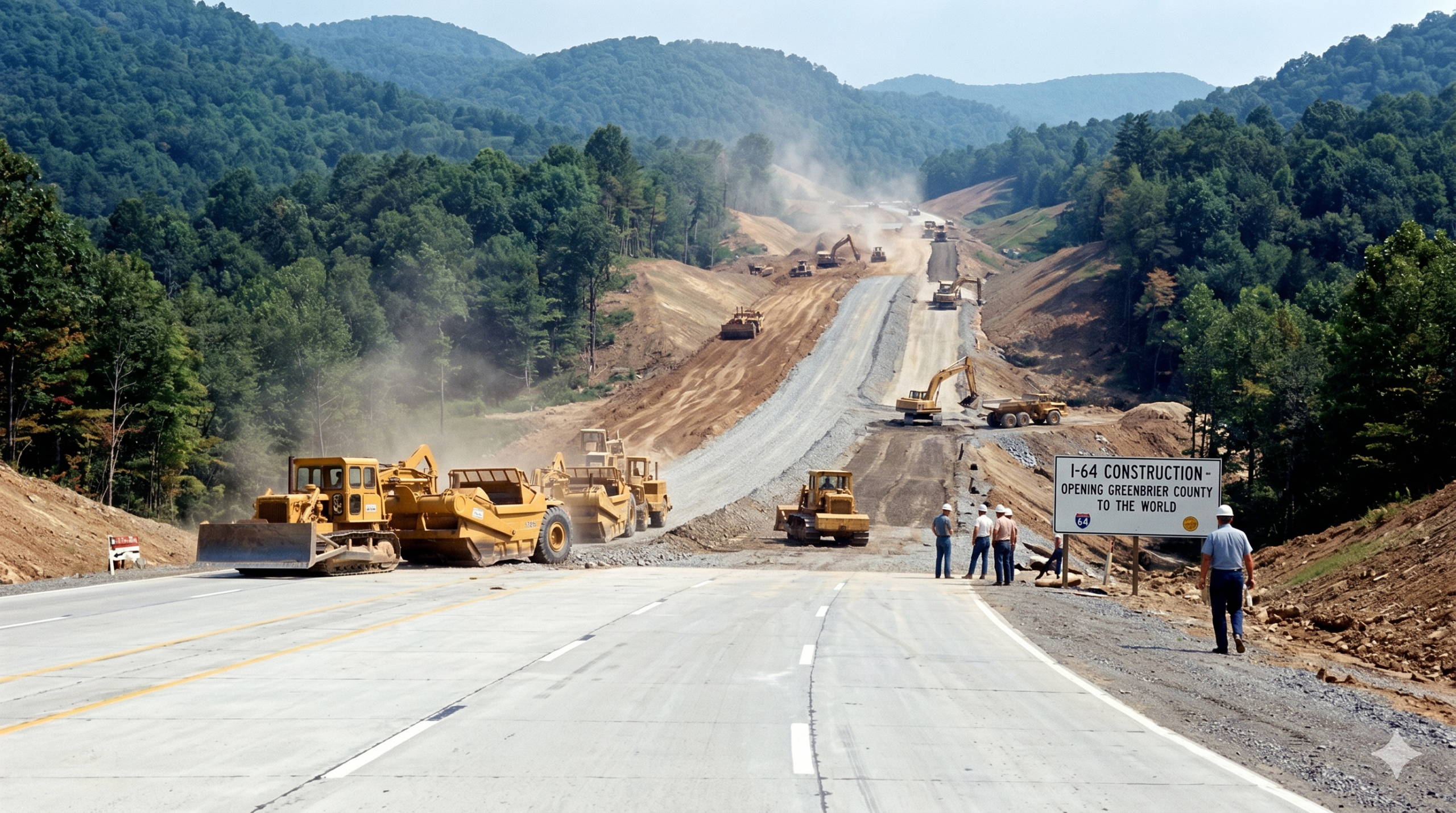
The construction of I-64 made the county more accessible than ever, shifting the economy from local transit to regional tourism and commerce.
As timber and coal shipments slowed, many rail lines were abandoned. This led to a period of economic adjustment but set the stage for future recreation.
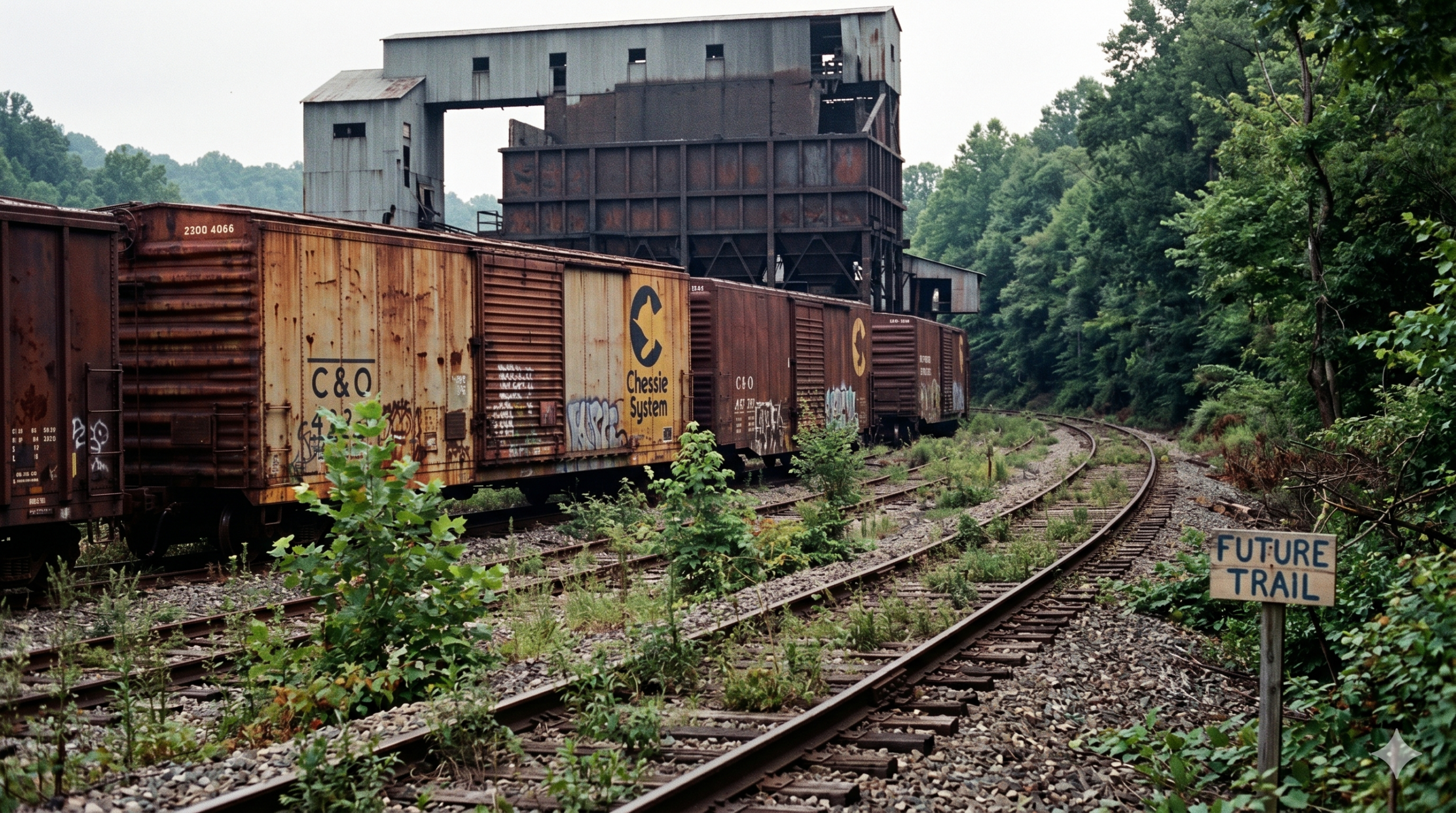
In 1985, the abandoned C&O rail bed was converted into the Greenbrier River Trail. It became a cornerstone of WV outdoor tourism.

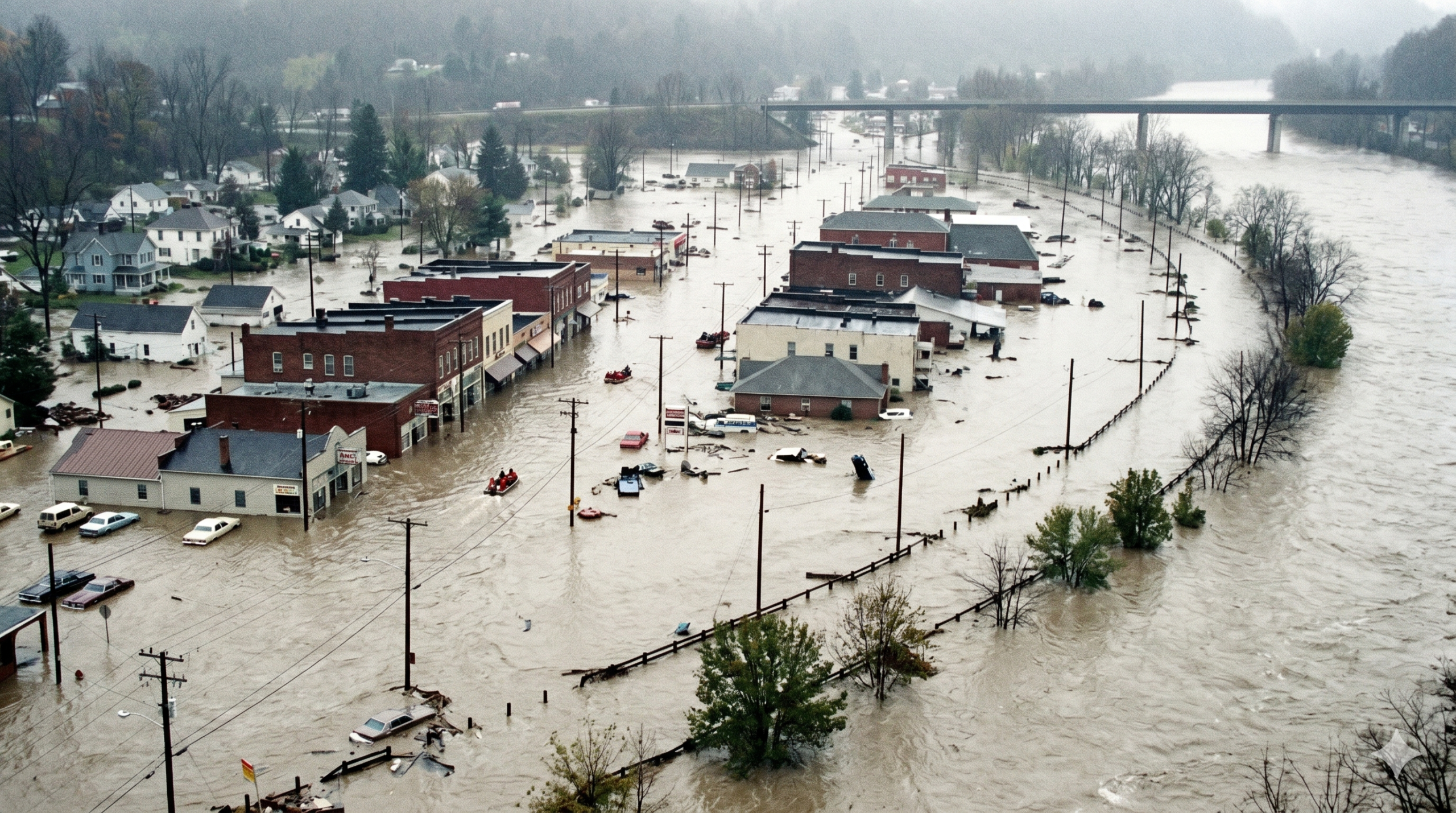
The Flood of 1985: A catastrophic flood that caused massive damage across the county.
The 90s saw a surge in historic preservation. Lewisburg was increasingly recognized as one of the “Coolest Small Towns in America,” blending its 18th-century roots with modern boutiques and galleries.
The county became a premier destination for golf and high-end dining, while the Greenbrier River Trail was named a Millennium Legacy Trail.
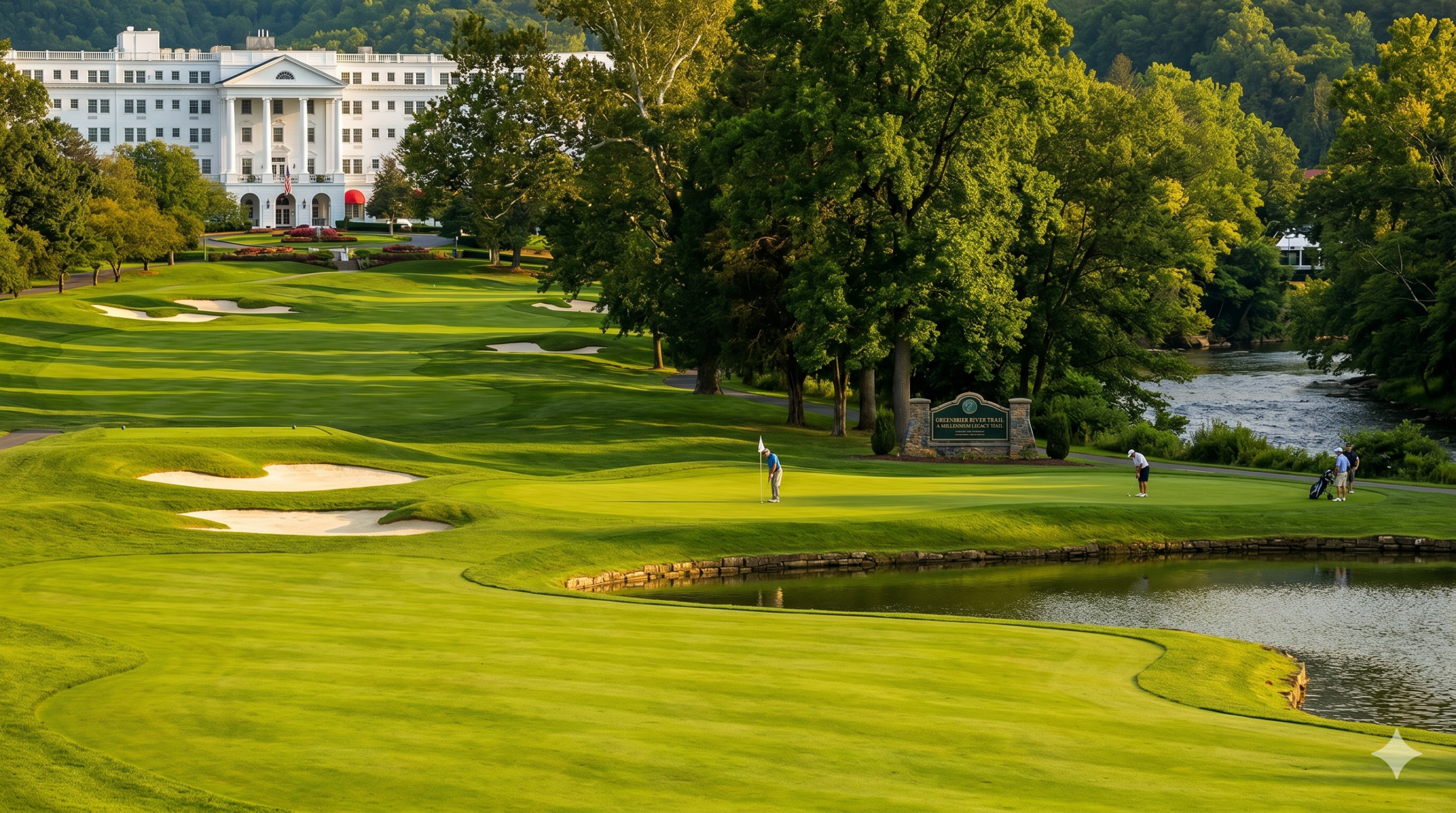
In June 2016, a devastating flood struck, particularly hitting White Sulphur Springs and Rainelle. The community’s resilience and recovery efforts defined the latter half of the decade.

Today, Greenbrier County continues to thrive as a hub for the arts, outdoor adventure, and world-class hospitality. It remains a rare place where you can stand in a 200-year-old church and see the future of West Virginia’s economy.
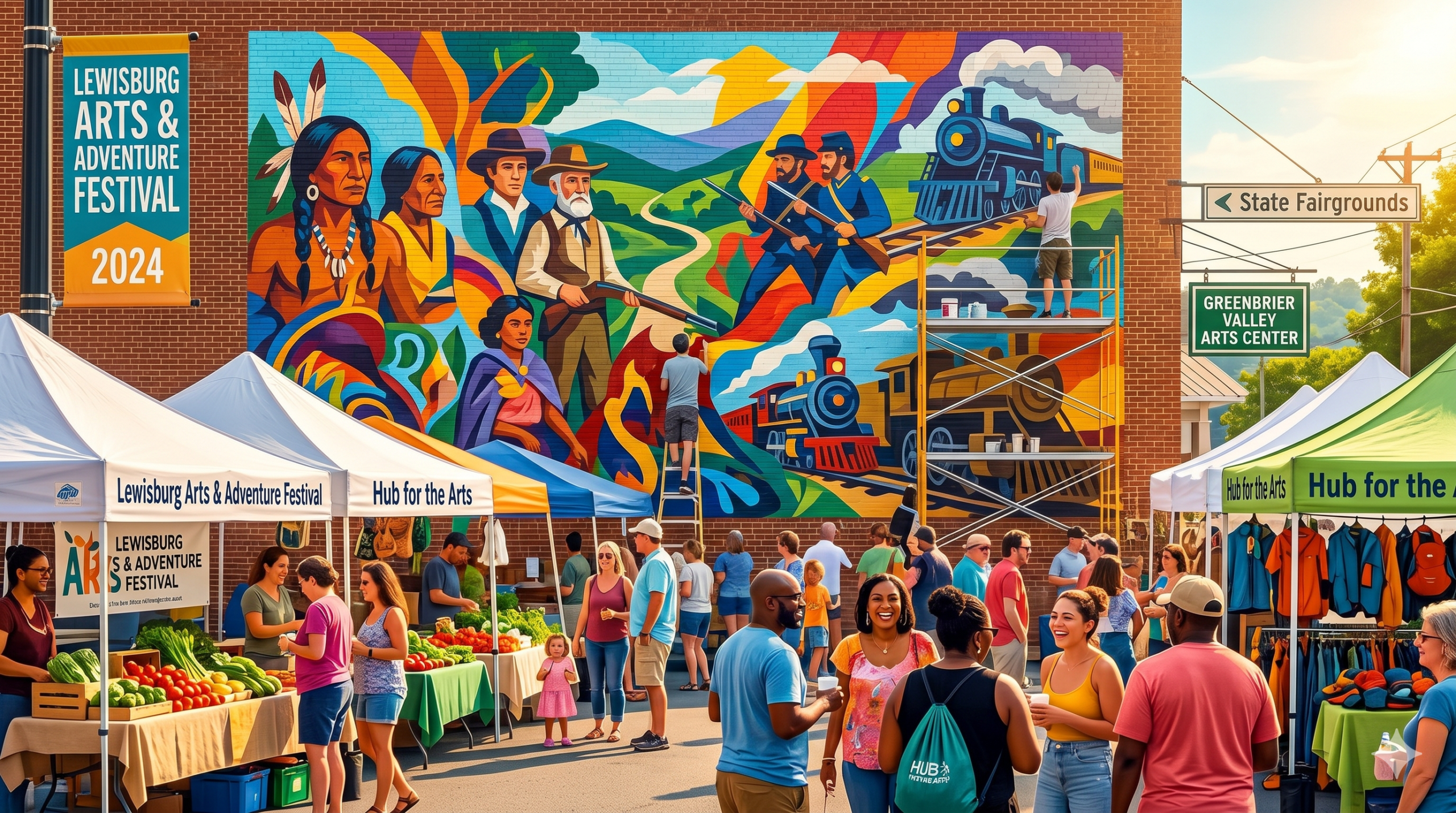
Looking for more local history? You might want to visit the North House Museum in Lewisburg to see artifacts from these eras firsthand!
Greenbrier County History FAQ
When was Greenbrier County, WV formed? It was formed in March 1778 from Botetourt and Montgomery counties.
Who is the Greenbrier Ghost? Zona Heaster Shue, whose 1897 murder trial in Lewisburg is the only one known to accept “ghost testimony.”
What is the oldest church in Lewisburg? The Old Stone Presbyterian Church, built in 1796, is the oldest church building in continuous use west of the Alleghenies.
External Link: Link to the North House Museum or the West Virginia Encyclopedia.
My name is John de Saint Georges, and as the owner of The Inspection Company LLC, I don’t just inspect houses—I help preserve the legacy of the place I call home. For the last decade, I’ve been captivated by the deep roots of West Virginia, particularly the storied landscapes of Greenbrier County.
From the 18th-century limestone walls of Lewisburg to the grand architectural evolution of White Sulphur Springs, this region is a living museum. Whether I’m walking the banks of the Greenbrier River or exploring the rugged terrain near Snowshoe, I am constantly reminded that every structure here has a story to tell. My mission is to ensure that your chapter in that story begins on a solid foundation.
Whether you are moving into a 1,000-square-foot loft in a repurposed historic building, a rambling country estate nestled in the mountains, or a 6,000-square-foot commercial space driving our local economy, I treat every property with the respect it deserves. I won’t rest until you’ve received a comprehensive, easy-to-read report and every one of your questions is answered.
At The Inspection Company, we honor our heritage by using the latest home inspection software. We deliver a visual, modern report that translates complex findings into clear insights, giving you the confidence to plant your own roots here in the Mountain State.
Let’s make sure your new home is ready for the next hundred years.