Contact Us
WV License: HI4563231-0621
VA License: 3380001852
Proudly Serving



For most of human history, buying a home was the ultimate “trust me” transaction. From the cobblestone streets of medieval Europe to the burgeoning suburbs of 1950s America, the rule of the day was Caveat Emptor—Latin for “Let the Buyer Beware.”
If the roof leaked or the floorboards rotted two weeks after you moved in, that was your problem. Today, the home inspection is a high-tech, multi-billion-dollar industry. Here is the journey of how we moved from “kicking the baseboards” to thermal imaging and drones.
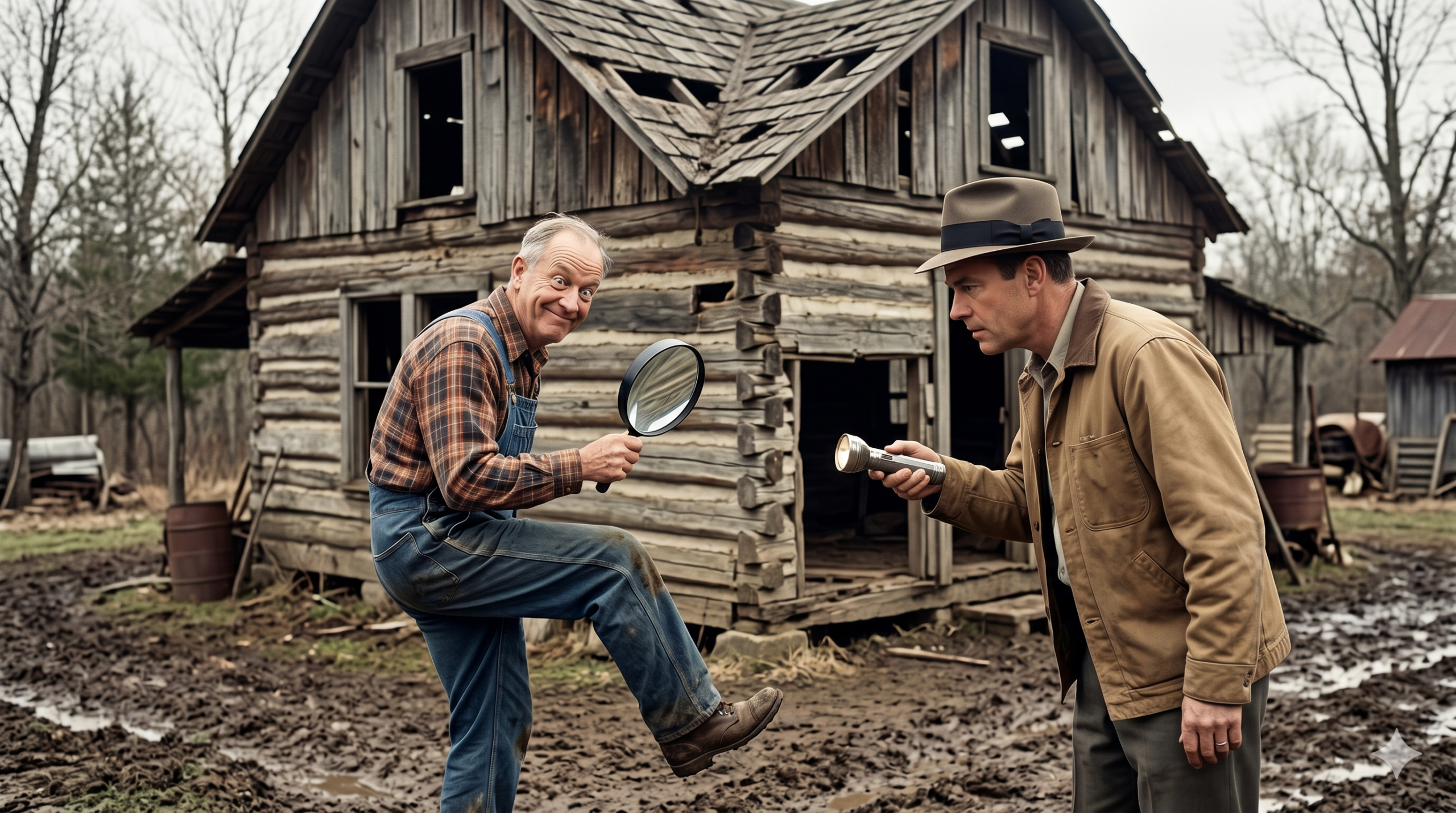
In the ancient world, there was no such thing as a “home inspector.” Instead, society relied on Master Builders and guilds. In Rome, the architect Vitruvius wrote extensively on structural integrity, but these evaluations were typically done during construction, not for resale.
Under English Common Law, the burden of discovery was entirely on the buyer. If you didn’t see the hole in the thatch before you handed over the gold, the courts wouldn’t help you. This “Buyer Beware” philosophy dominated the world for centuries, including the early days of the United States.
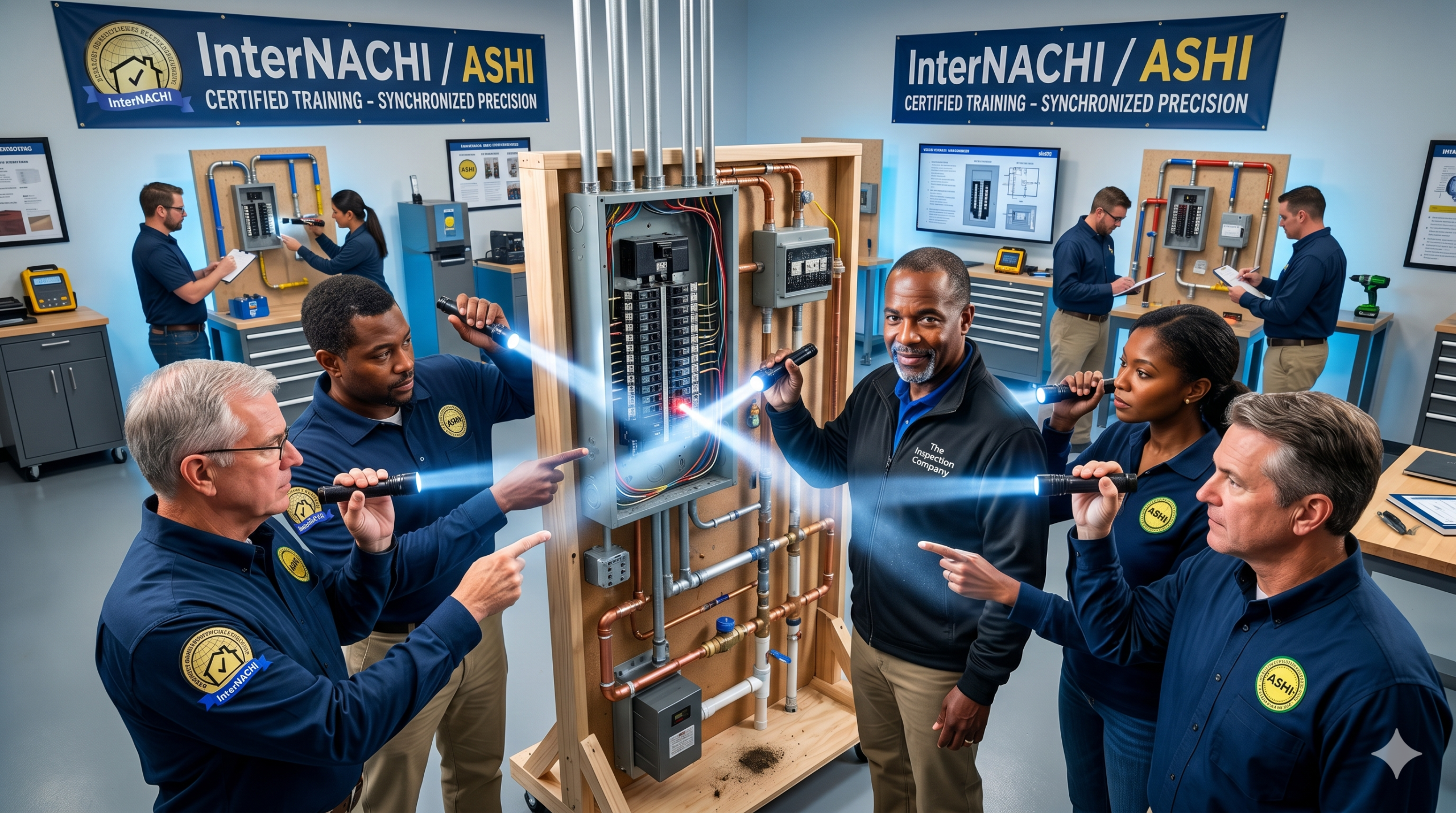
The professional home inspection as we know it didn’t exist until the early 1970s. As homes became more complex—moving from simple wood stoves to intricate HVAC systems and modern electrical grids—the average buyer could no longer judge a house’s health on their own.
The “Uncle Buck” Era: Before 1970, most people brought a relative who “knew a bit about wood” to walk through a house. These were informal, unreliable, and carried zero legal weight.
1976: The Birth of Standards: The industry officially “grew up” in 1976 with the founding of the American Society of Home Inspectors (ASHI). For the first time, a Standard of Practice (SOP) was written, defining exactly what an inspector should look at.
InterNACHI and Growth: Later, the International Association of Certified Home Inspectors (InterNACHI) was founded, further globalizing standards and providing the rigorous training that modern inspectors (like John Saint Georges) rely on today.
A major turning point occurred in 1984 with the landmark California case Easton v. Strassberger. The court ruled that real estate agents had an affirmative duty to conduct a “reasonably competent and diligent inspection” and disclose material facts.
Realtors quickly realized they weren’t structural experts and didn’t want the liability. This created a massive demand for third-party professional home inspectors to act as a “shield” for both buyers and agents. By the late 1990s, nearly 80% of all homes sold in the U.S. were inspected prior to closing.
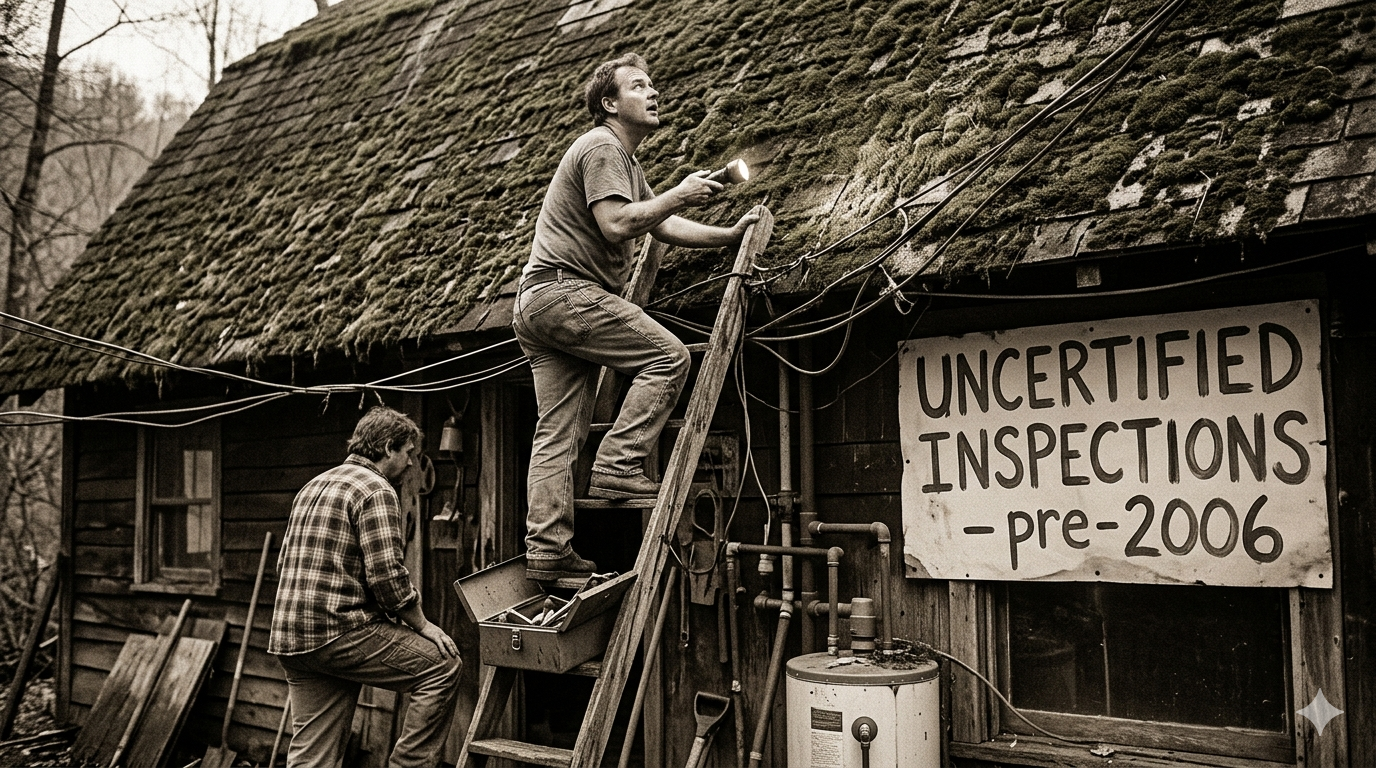
West Virginia was part of the national wave of professionalization. For a long time, WV was an unregulated “Wild West” for inspections, but that changed as consumer protection became a priority in Charleston.
2006: The Regulatory Milestone: The West Virginia Legislature enacted Title 87-05 (Certification of Home Inspectors) in 2006. This officially put the Office of the State Fire Marshal in charge of licensing.
The 80-Hour Rule: WV established that to be an inspector, you couldn’t just have a flashlight; you needed at least 80 hours of approved education and had to pass the National Home Inspector Examination (NHIE).
2024–2026 Updates: Modern WV law continues to evolve, emphasizing continuing education (16 hours per year) and strict insurance requirements to protect Mountain State homeowners from subpar service.
The industry has seen three distinct “Ages of Inspection”:
The Paper Age (1970s–1990s): Inspectors filled out carbon-copy checklists by hand. Photos were rare because you had to get film developed at a drugstore!
The Digital Age (2000s–2015): The rise of digital cameras and early PDF software allowed for faster, clearer reports.
The High-Tech Age (2016–Present): Today, we use Thermal Imaging to see moisture behind walls, Drones to inspect steep mountain roofs in Randolph and Greenbrier counties, and Continuous Radon Monitors that provide precision data in 48 hours.

My name is John de Saint Georges, and I don’t just inspect homes—I study them. Since moving to West Virginia a decade ago, I’ve fallen in love with the rugged beauty of the New and Greenbrier rivers and the peaks of Snowshoe Mountain. But as a history enthusiast, I’ve also fallen in love with the “bones” of the Mountain State.
I’ve spent years studying the evolution of the American home, from the era of Caveat Emptor (Buyer Beware) to the high-tech standards we use today. Whether I’m walking through a historic 19th-century estate or a brand-new build, I bring a deep understanding of how construction methods have changed over the centuries.
“I believe that to truly understand a home’s future, you have to respect its past.”
Whether it’s a 1,000-square-foot urban loft, a rambling country estate, or a 6,000-square-foot commercial building, my approach remains the same: I won’t rest until you’ve received a comprehensive, easy-to-read report and every single one of your questions is answered.